Questions to ask a solar or battery installer
The questions worth asking before you sign, grouped by the company, the system, install day, rebates and paperwork, and warranty, with why each one matters.
SolarAnswers editors, updated , 6 min read
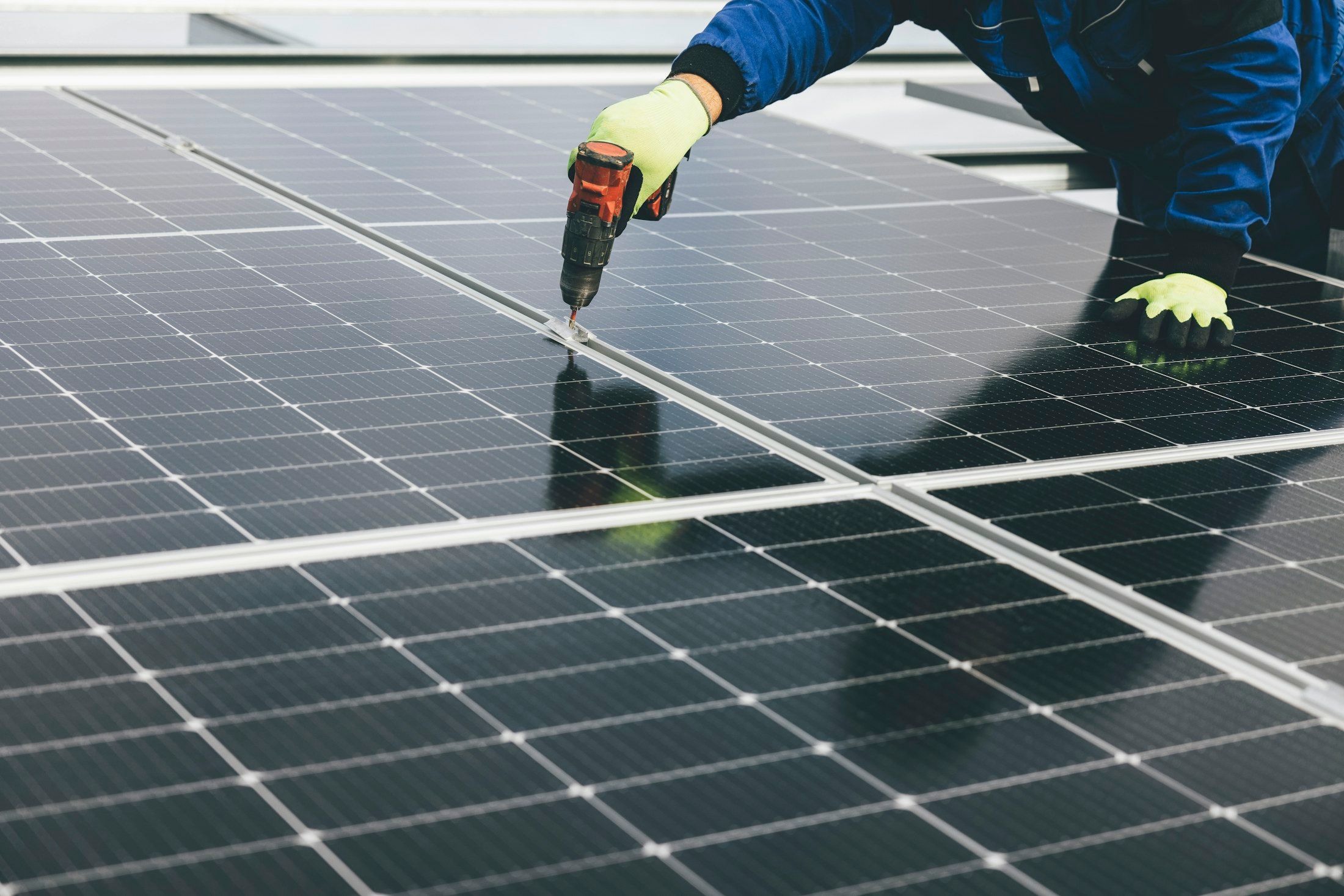
Before you sign with a solar or battery installer, ask about five things: who the business is, exactly what they're proposing, what happens on installation day, how the rebate and paperwork will be handled, and what support you'll get afterwards. Clear, specific answers you can get in writing are a good sign. Vague answers, or pressure to skip the questions, are not.
Ask every installer the same questions so you can compare their answers side by side. Our guide to comparing solar and battery quotes has a checklist you can use alongside this list.
About the company
Who will actually do the installation? Some businesses install with their own staff. Others sell the system and send a subcontractor. Both can work, but you should know who'll be on your roof and who's responsible if something goes wrong.
How long have you been installing in my area? Local experience matters. Installers who know your electricity network, common roof types and local council or strata rules are less likely to hit surprises.
Are you a signatory to the New Energy Tech Consumer Code? The New Energy Tech Consumer Code (NETCC) is a voluntary code of conduct covering sales, quotes, contracts, installation and warranties. The ACCC approved an updated version on 28 August 2026, valid until 19 September 2031. Signatories must take responsibility for third parties that do their marketing, so a signatory is answerable for how it gets leads.
How did you get my details? If someone contacts you out of the blue, ask. An ACCC review released on 28 July 2026 found consumer details from comparison websites and online quote forms being sold on through data brokers. It also found that if you weren't clearly told your details were for a sales contact, a later sale can still count as unsolicited. Unsolicited sales come with extra consumer protections. See sales tactics to walk away from for more.
About the system
What are the exact brands, models and quantities? You need model numbers for the panels, inverter and battery to compare quotes, check warranties and confirm the products are on the Clean Energy Council approved list. For the federal battery rebate, the battery and inverter must be on that list.
Why did you choose this size for my home? A good answer refers to your actual electricity use, ideally from your bills or smart meter data, as well as your roof space. Our guides on solar system size and battery size explain what to look for.
What is the battery's usable capacity? Usable capacity, in kWh, is the energy you can actually draw from the battery. It's also the figure the federal rebate is based on, so it should be written on the quote.
Will the battery keep my power on in a blackout, and which circuits? Not every battery setup provides backup. Some need extra equipment, and backup may only cover certain circuits. Ask exactly what will and won't work during an outage. Read will a battery work in a blackout first.
Will it work with my existing solar system? If you already have panels, ask whether the new equipment is compatible and whether anything existing will be replaced.
Can the battery join a virtual power plant later if I want? A virtual power plant (VPP) is a program where a retailer or other provider manages your battery at certain times in return for payments or credits. Some state incentives are linked to VPPs, so ask whether the battery is compatible and whether joining would affect the warranty. See virtual power plants explained.
About the installation day
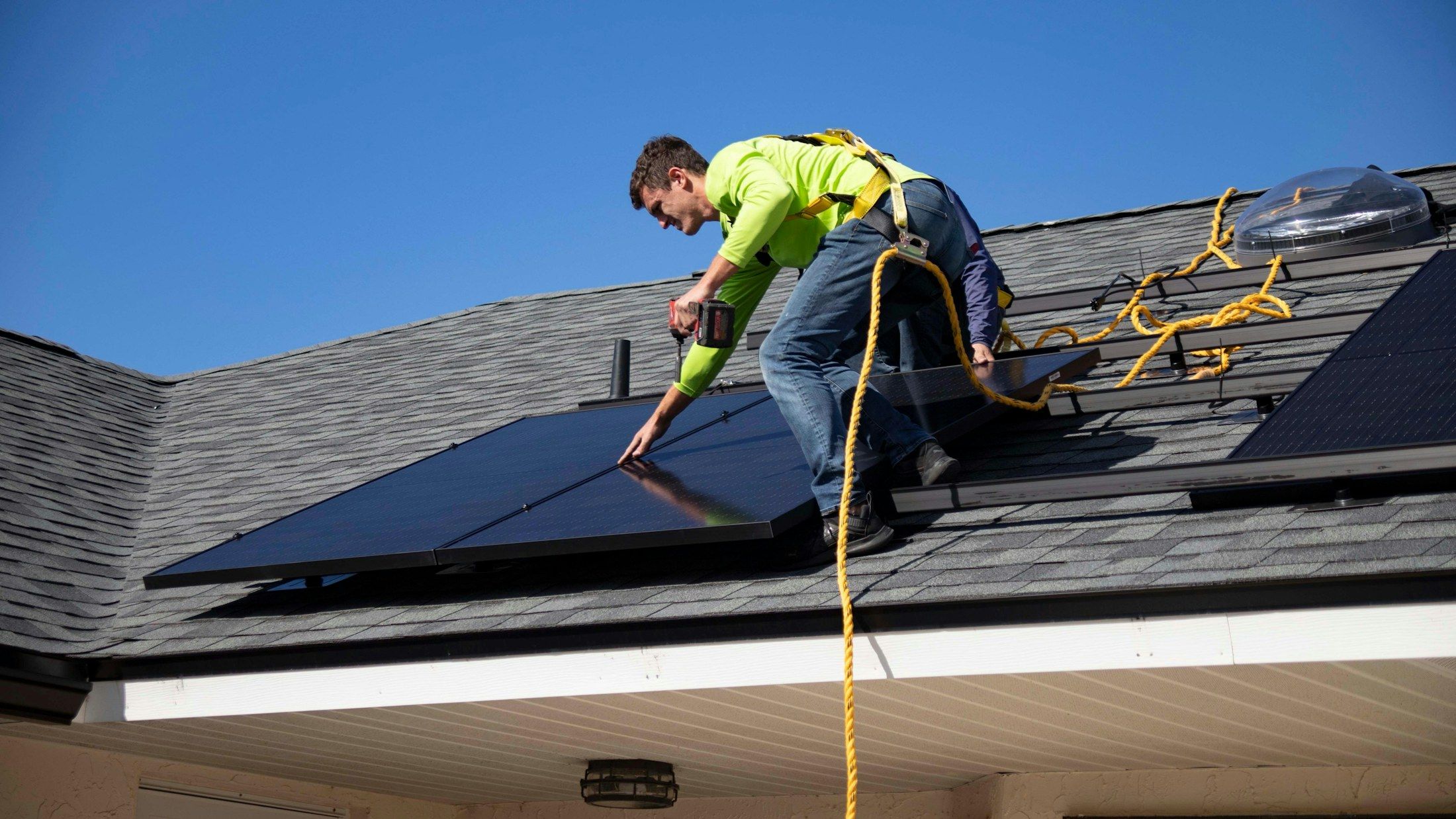
Who is the accredited installer, and will they be on site? A Solar Accreditation Australia (SAA) accredited installer must be on site for a battery to qualify for the federal rebate. Ask for their name and accreditation number so you can check them with SAA.
Have you checked my switchboard, and what happens if it needs work? Older switchboards sometimes need an upgrade before new equipment can be connected. Ask whether that's been checked and included, and ask the business to agree in writing that it won't charge for extra work without your approval.
Where will the battery and inverter go? Location affects safety, access and how the equipment copes with heat and weather. Make sure you're happy with the spot before installation day, not on it.
Will my power be off, and for how long? Knowing this helps you plan around fridges, medical equipment or working from home.
Will you show me how the system works before you leave? Ask for a walkthrough of the app, the isolation switches and what to do if something shows an error.
About rebates and paperwork
How many STCs does my system create, and what value have you used? Small-scale technology certificates (STCs) are how the federal rebate works for both solar panels and batteries. The quote should show the number of STCs, the value per STC and the price before and after. You can check it with our battery rebate calculator. For background, read how the federal battery rebate works.
What happens to the rebate if the installation date slips? The battery rebate rate is set by the date on your certificate of electrical compliance, not the date you sign. The factor used to calculate battery STCs is 6.8 until the end of 2026 and drops to 5.7 from 1 January 2027. If your install could land in January, ask who covers any difference.
Will you take geotagged photos of the battery labels? Since 1 March 2026, the Clean Energy Regulator has required battery installers to take geotagged, time-stamped photos of critical labels for every battery installation, on top of the existing on-site installer photos. The regulator checks these with an AI tool, and missing photos can delay or stop the rebate claim. Ask the installer to confirm they'll take them, and who is responsible if the claim is rejected.
Who handles the network connection and any meter change? Your electricity network may need to approve the connection, and you may need a new meter. Ask who applies, who pays any fees and how long it usually takes.
Can you help with state or territory programs? Some states and territories offer extra incentives or loans, and some programs have closed. Check what applies where you live on our rebates page, then ask whether the installer can handle the application.
What documents will I get when the job is finished? Expect your certificate of electrical compliance, warranty documents, product manuals and a copy of any rebate paperwork you signed. Don't sign anything saying the job is complete until it is.
About after-sales service and warranty
What does your workmanship warranty cover, and for how long? Product warranties cover the equipment. The workmanship warranty covers the installation itself, which can include problems like roof leaks or faulty wiring caused by the work.
If a product fails, who do I call? Ask whether the installer handles warranty claims with the manufacturer or whether you'll deal with the manufacturer directly.
What does the battery warranty say about capacity over time? Batteries slowly lose some capacity as they age. The warranty often sets a minimum capacity the battery should keep over a period, and may have conditions about how it's used. Ask for the warranty document, not a summary.
Who monitors the system, and how will I know if something's wrong? Ask whether monitoring is included and whether the installer is alerted to faults, or whether it's up to you to notice.
What's your complaints process? Ask how complaints are handled and how quickly. The ACCC has noted the NETCC still lacks external dispute resolution, so it helps to know that your state or territory fair trading office is another place to go.
The short version
- Ask every installer the same questions and get the important answers in writing.
- Check who will install, their SAA accreditation, and whether the business is a NETCC signatory.
- Get exact model numbers, usable battery capacity and backup details on the quote.
- Confirm the installer will take the geotagged battery label photos needed for the rebate claim.
- Know your warranties and who to call before you sign, not after.
Sources
- Clean Energy Regulator, New solar battery photo requirements now in place
Checked 23 September 2026
- DCCEEW, Cheaper Home Batteries Program
Checked 23 September 2026
- ACCC, New Energy Tech Consumer Code authorisation (AA1000702)
Checked 23 September 2026
- ACCC, Misleading and high pressure unsolicited sales practices widespread (28 Jul 2026)
Checked 23 September 2026
Questions people also ask
Should I get the installer's answers in writing?
Yes. Ask for the key answers, such as product models, backup circuits, extras and warranty terms, to be written into the quote or confirmed by email. It makes comparing quotes easier and gives you a record if something goes wrong.
What should I do if an installer won't answer my questions?
Treat it as a warning sign. A business that avoids basic questions about products, accreditation or paperwork before you sign may be harder to deal with after the job is done.
Do I need to be home on installation day?
It helps. Being there lets you check the installer's identity, confirm where equipment will go and get a walkthrough of the system before they leave. Ask the business what they need from you on the day.