Your solar installer has closed. Who can fix a faulty system or honour a warranty?
An installer closing does not mean every product warranty disappears. Identify the business you contracted with, secure the system records and choose the right route for faults, unfinished work or a lost deposit.
SolarAnswers editors, updated , 5 min read
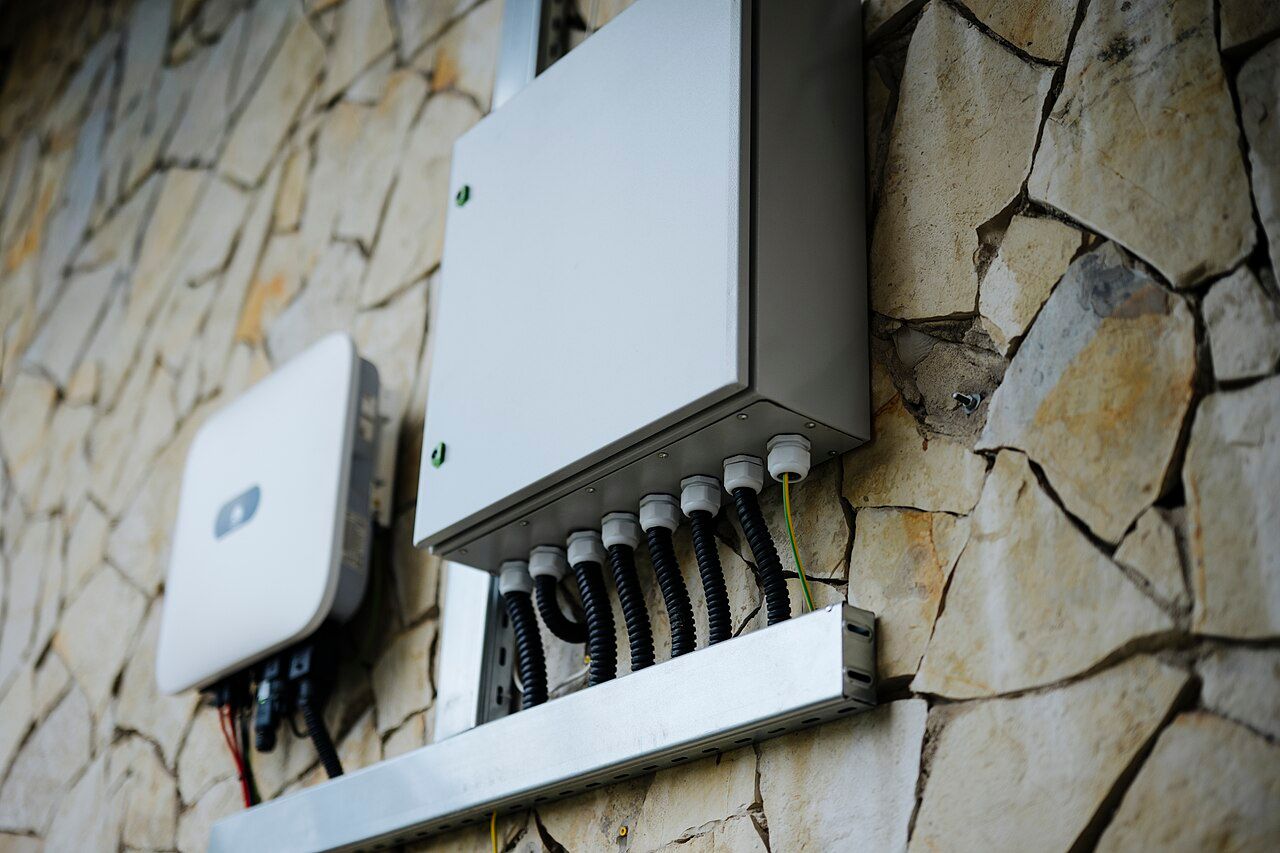
Illustrative solar equipment, unrelated to an Australian installer named in this guide. Photo: Shixart1985 / Wikimedia Commons, CC BY 2.0. Cropped and resized for display.
A solar company stops answering its phone. Your inverter shows a fault, a battery has not been commissioned, or a promised repair has not happened. It is tempting to treat the vanished installer as the end of the matter. It may not be. The next contact depends on who sold the system, who installed it, what failed and whether the business has actually entered administration. Those distinctions also prevent you from paying a second company for work that another party may still be obliged to address.
Start by collecting the quote, signed contract, invoice, proof of payment, product model and serial numbers, warranty documents, commissioning sheet and electrical certificate. The Australian Government's installation handover guidance lists these records because they identify the equipment and the parties responsible for it. Our handover checklist can help you rebuild a missing file. Keep screenshots of fault codes and generation history as well, but do not open equipment covers or attempt an electrical repair yourself.
First, identify who sold what
Many customers buy a complete solar or battery package from a retailer that sends a different accredited contractor to install it. The ACCC's solar consumer guidance says that when you paid one supplier for both products and installation, that supplier is generally responsible for providing a remedy if a consumer guarantee is not met, even if it subcontracted the work. If you paid one business for the equipment and a different business for installation, the product seller is generally responsible for product issues and the installer for issues caused by the installation.
Look for the contracting legal entity and ABN on the invoice, not just the brand on a van or website. A retail trading name can differ from the licensed electrical contractor's name. A manufacturer warranty on a panel, inverter or battery is another promise again. The government's warranty guide explains that product and workmanship warranties cover different problems and sit alongside your automatic consumer rights. Do not assume a long panel performance warranty covers a leaking roof or faulty switchboard work.
If the system is installed but not working
Record the exact symptom before arranging repairs. A blank app can be a communications fault, while an inverter error or zero generation on a sunny day may point elsewhere. The Australian Government's monitoring guidance explains how an app can reveal reduced performance. Its maintenance guidance says repairs require an accredited installer or qualified electrician because solar equipment can remain energised even when the mains is off.
Write to the company that sold the system, if it still trades, with the contract number, equipment details, fault evidence and the remedy you seek. The Solar Consumer Guide recommends raising non-generation or property damage with the seller first and putting concerns in an email. Give a reasonable opportunity to respond, and keep copies of every exchange. If the contracted business is unreachable, contact the equipment manufacturer or its Australian support agent with the model and serial numbers. The government's maintenance guidance specifically suggests manufacturer contact when the retailer or installer cannot be reached.
A manufacturer may be able to authorise a product inspection or replacement. It may not accept liability for workmanship, access costs or damage caused by a separate installer. Ask in writing what the warranty covers, who can perform approved work and whether labour or removal costs are included. Avoid an unapproved repair that could complicate diagnosis or a warranty claim. If a fault presents a safety concern, prioritise a licensed electrician and the relevant state electrical-safety authority; do not wait for a distant warranty desk to approve unsafe operation.
What if the company is in administration?
An unanswered phone is not proof of insolvency. The ACCC says you can use the ASIC insolvency-notices link on its business-closure page to check a company by name or number and see whether an external administrator has been appointed. If there is one, obtain the administrator's contact details and ask how to register your claim. An administration may continue trading, sell the business or lead to liquidation. Your options depend on the stage and the contract.
If you paid a deposit or paid for equipment that was never delivered, the ACCC says you may be an unsecured creditor. Registration does not guarantee a refund; recovery depends on what the administration realises and the order of claims. The ACCC also says some card or other supported payments may have a chargeback route subject to conditions and time limits, so contact your financial institution promptly rather than waiting for the insolvency process to finish. If finance was arranged separately, tell the lender what has and has not been supplied and ask for its dispute process. Do not assume that stopping repayments yourself is safe; get advice specific to the contract.
For a system partly installed, ask a new qualified contractor to document the current state before finishing work. Get a written scope and price for making it safe, completing electrical work, commissioning and any network or rebate paperwork. A second installer cannot simply certify work they have not inspected. Keep records of costs and the original contract for any claim. If panels or a battery were sold as rebate-eligible, verify whether the actual installation and paperwork can still meet the relevant program's requirements; a paid deposit alone does not secure an incentive.
Where to take a dispute
The ACCC's solar advice states that consumer guarantees are automatic and separate from a manufacturer's warranty. It says a supplier with an obligation cannot simply send a customer to the manufacturer instead. When the supplier has disappeared, those rights can be harder to enforce in practice, which is why documenting the legal entity, insolvency status and manufacturer support matters.
The Australian Government's dispute-resolution page sets out state and territory consumer affairs routes. For a solar seller that is not an electricity retailer, start with a written complaint and then the relevant fair trading or consumer affairs office. An energy ombudsman may be the route if the contract or complaint involves an authorised electricity retailer, but its jurisdiction is not a blanket warranty service for every solar installer. An approved-seller code complaint or installer-accreditation complaint may also be available where the business held the relevant status. Ask the office handling your case which body has jurisdiction before filing the same account everywhere.
If you are still choosing an installer, this is one reason to ask how after-sales service works, who owns the contract, whether the manufacturer supports products in Australia, and what documents you will receive at handover. Our questions to ask a solar installer can be used before paying a deposit. None of those checks guarantees a business will remain open. They do make a later claim easier to trace and a repair easier to commission.
Sources
- ACCC, Solar panel systems and home batteries: consumer guidance
Checked 22 October 2026
- ACCC, When a business goes bust
Checked 22 October 2026
- Australian Government Solar Consumer Guide, Installation day and after
Checked 22 October 2026
- Australian Government Solar Consumer Guide, Look after your solar system
Checked 22 October 2026
- Australian Government Solar Consumer Guide, Warranties and insurance
Checked 22 October 2026
- Australian Government Solar Consumer Guide, Dispute resolution
Checked 22 October 2026
- Australian Government's monitoring guidance
Checked 22 October 2026
Questions people also ask
Does an installer closing cancel a solar product warranty?
Not necessarily. Check the manufacturer warranty, the legal business that sold the system, and who is now handling support. Consumer guarantee rights and the practical route for enforcing them depend on the contract and insolvency status.
What should I do if I paid a deposit and work never started?
Keep the contract and payment record, check whether an administrator has been appointed, ask how to lodge a claim, and promptly ask your card provider or lender whether a dispute or chargeback is available. A refund is not guaranteed.
Who can repair a faulty system if the original installer is gone?
Ask the seller if it still operates, then the equipment manufacturer or Australian support agent. For electrical or safety work use a qualified electrician and keep written records of diagnosis and costs.