Solar installation handover checklist for Australian households
Check the installed equipment, monitoring, safety paperwork, meter status and support route before you call a solar job finished.
SolarAnswers editors, updated , 5 min read
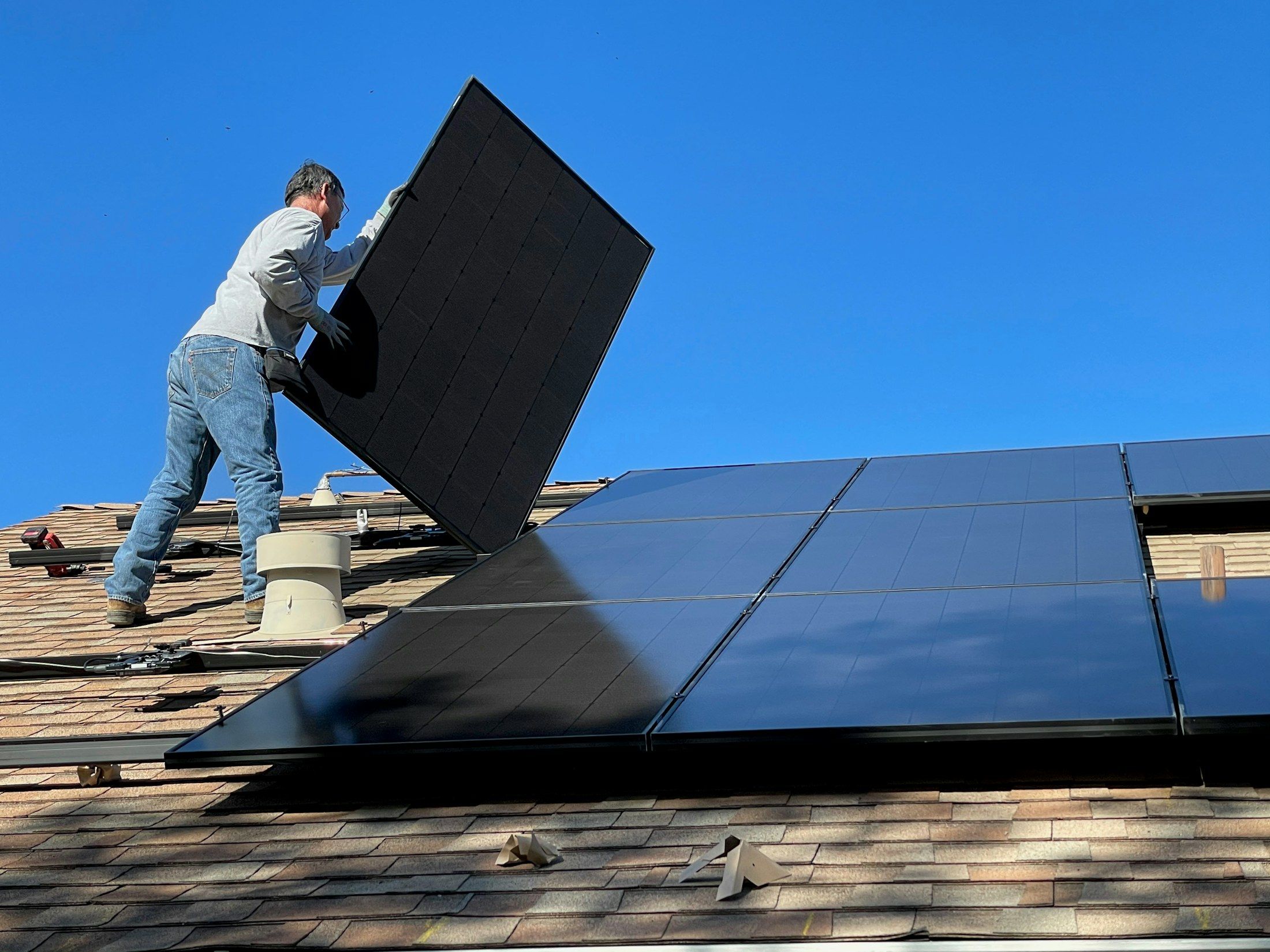
If your new panels are on the roof but the app still shows nothing, has the job finished? Perhaps the physical installation has, but your solar system may still need inspection, meter work or permission to switch on. The details vary across Australia. A useful handover is a conversation and a set of documents, not simply a photo of panels and a promise that somebody will email later. If you are still choosing a business, start with questions to ask a solar installer and how to compare quotes.
Recent reporting about installation delays and complaints has made many buyers more cautious. The practical response is to record what was ordered, what was installed and who owns each remaining step. SolarAnswers has covered Solar Power Nation installation complaints and the wider solar and battery consumer trust issues. Those cases do not establish that your installer has done anything wrong. They do show why a clear paper trail matters.
Before work begins, match the boxes to the contract
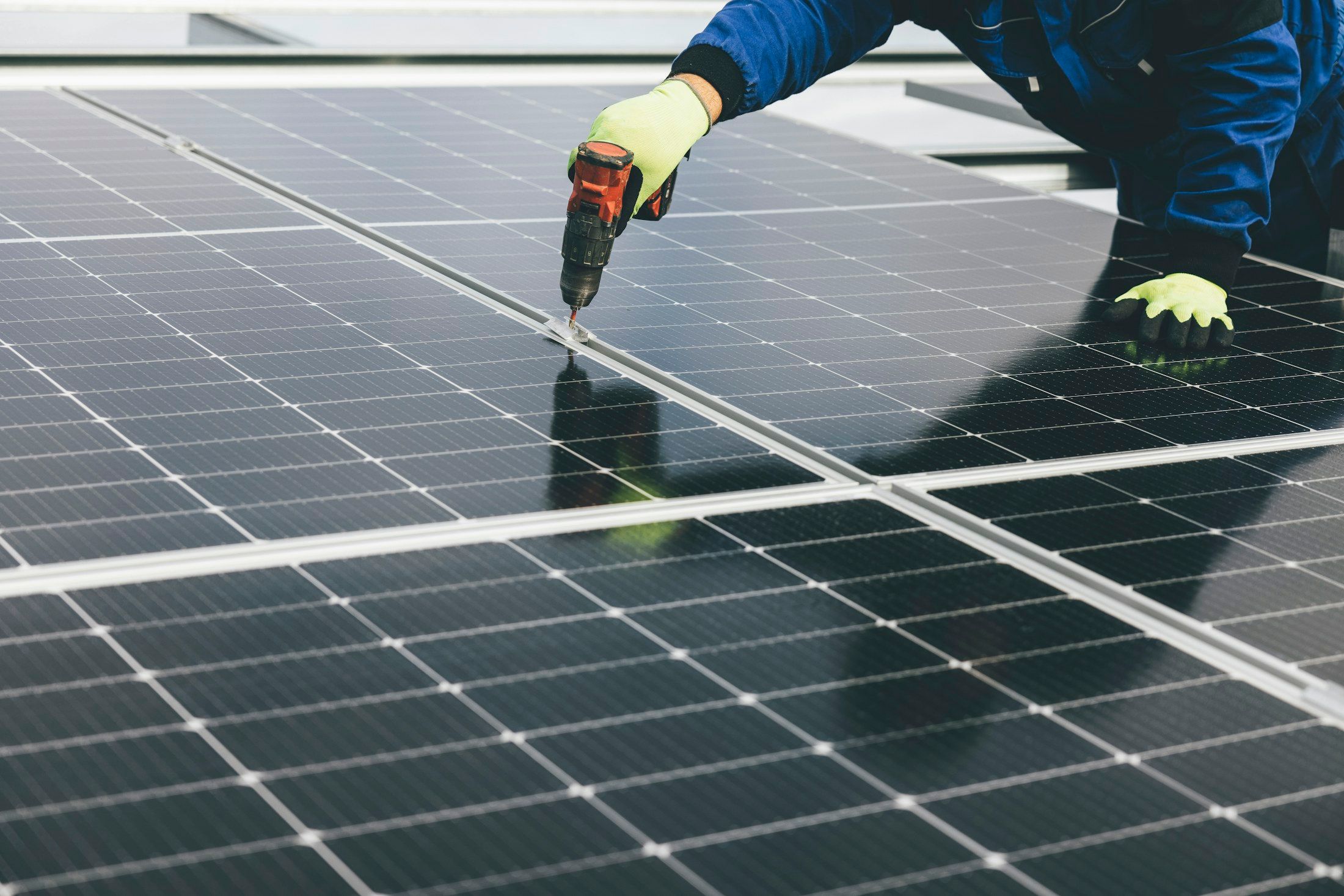
The Australian Government's Solar Consumer Guide for installation day advises checking that the panels, inverter and extras such as optimisers or a monitoring app match the quote or contract. Look for model numbers, not just a brand name. A supplier may propose a substitute because stock or site conditions changed, but you should understand the change, its effect on output and any price difference before agreeing.
The government's connection guide says design changes can arise from network requirements, component availability or a more detailed site assessment. It says the changes and their cost or generation effects should be explained and agreed in writing before installation. Keep the revised quote and any approval email with your original contract. If roof conditions require a different panel layout, ask for an updated design rather than trying to judge it from the driveway.
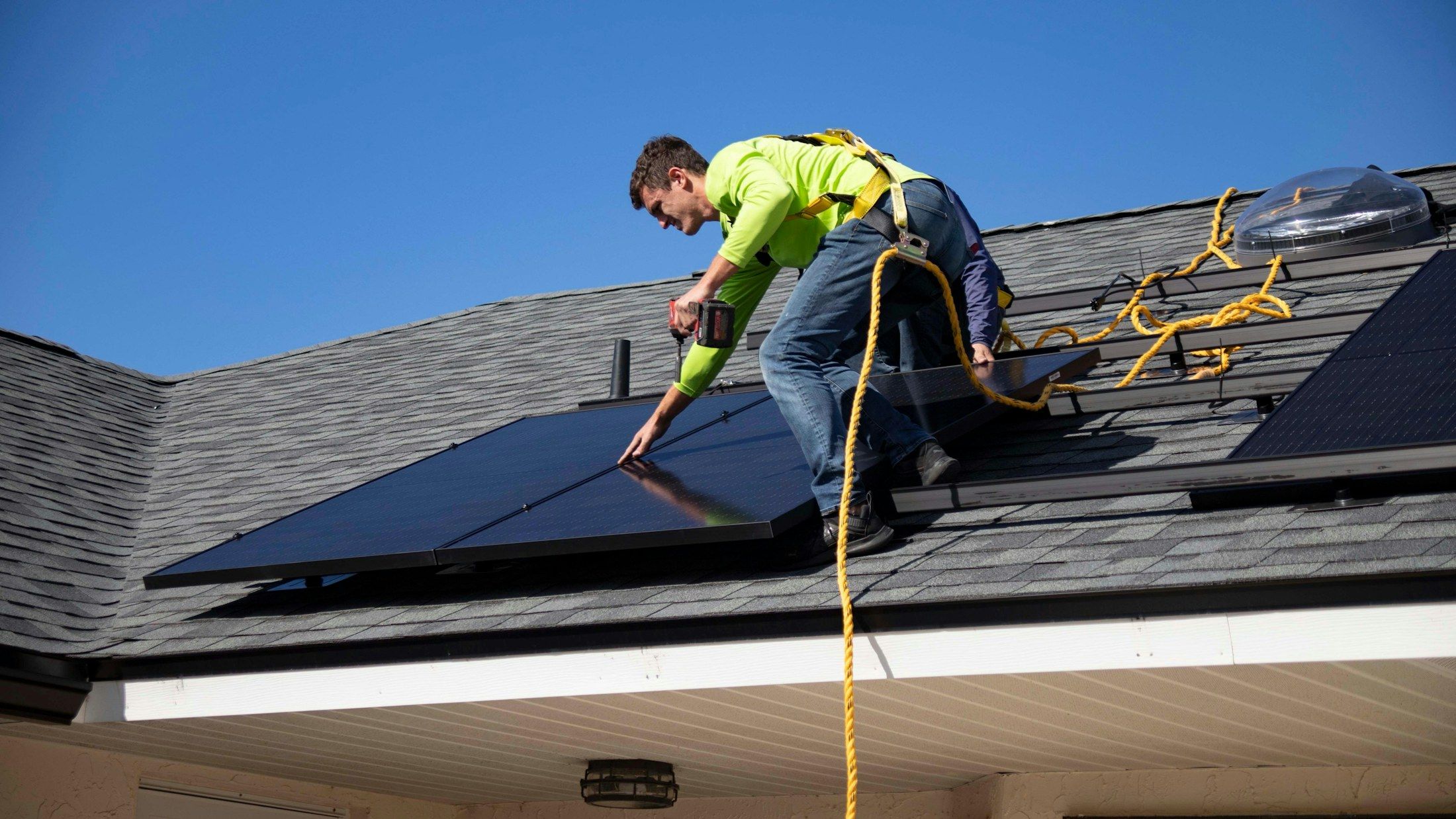
Ask who the accredited installer is. According to the Solar Consumer Guide, at least one installer should hold Solar Accreditation Australia accreditation, which belongs to the person rather than the company. The guide says that person must be present for set-up, a mid-installation check and testing and commissioning. You can ask to see their digital identification and check the electrical contractor licence. Do this calmly on the day, while the team is still there.
See the system demonstrated
Ask the installer to show you the inverter display or monitoring app and explain which readings represent solar generation, household consumption and export. Some apps show only part of that picture unless extra monitoring hardware is fitted. Your installer may need access to your Wi-Fi, and the government guide says they should explain how to use the app if one is included. Make sure you have your own account and know how to regain access if you change phone or internet provider.
Ask for a simple demonstration of safe operation, including the shutdown and isolation procedure to follow in an emergency. Do not operate switches just to test your memory; record the instructions and keep them where the household can find them. Ask what an inverter fault or earth fault alarm looks like and who to call. If the installation includes a battery, ask what it will and will not power during an outage, whether a reserve is configured and whether any virtual power plant arrangement can change its operation. Our guide to battery backup in a blackout explains why a battery alone does not guarantee backup. Those details should match the written sale terms.
Photograph the equipment labels, switchboard labels and final roof layout from a safe position. Do not climb onto the roof or open electrical enclosures. These photos help identify the equipment later if a warranty or service question arises. Ask who is responsible for any damaged tiles, penetrations, leaks or changes made to the switchboard, and record the answer while the team can inspect the site.
The paperwork that should follow you home
The Solar Consumer Guide's handover list includes the sale contract, system specifications, maintenance advice, operating and monitoring instructions, emergency shutdown procedure, state or territory electrical safety certificate or equivalent, warranties for products and installation, equipment manuals, retailer and installer contacts, commissioning sheet and steps to take after an earth fault alarm. Save digital copies in a folder you control. If a document has not yet been issued, write down who will send it and when.
A product warranty and an installation warranty are different. Keep both with your signed quote comparison. The ACCC's solar and home battery guidance says Australian consumer guarantees apply to both products and installation services and cannot be excluded by a contract. They are separate from a manufacturer's warranty. If one business sold the system and installation together, it is generally responsible for providing a remedy even if it subcontracted the work. If you paid two businesses separately, responsibility may be split according to whether the issue is with the product or the installation.
Check the meter and the permission to operate
Do not assume a completed installation is ready to export. The government connection guide says the steps and timing vary by state, territory and network. In NSW, for example, the network application needs approval before installation; the smart meter may be installed or configured afterwards; and the installer or retailer should tell you when you can switch the system on. Victoria has a separate electrical safety certificate and inspection process. Ask for the status of your own network approval and metering request, plus the person responsible for chasing each one.
Once operation is authorised, compare several days of app readings with the weather and your meter or retail account. One cloudy day is not enough to judge performance. If generation stays at zero or looks inconsistent with what the installer demonstrated, email the business that sold you the system with dates, screenshots, equipment details and a clear request for an inspection or explanation. The government dispute guide recommends starting with the solar retailer or installer in writing, then sets out routes through state fair trading bodies, accreditation schemes and energy ombudsmen depending on the issue and location.
The test of a good handover is simple: you know what was installed, you have the documents, you understand when it may be switched on, and you know who to contact if the numbers do not look right. Get those answers before the crew and the details disappear from the driveway.
Sources
- Australian Government Solar Consumer Guide, installation day and after
Checked 18 October 2026
- Australian Government Solar Consumer Guide, get connected
Checked 18 October 2026
- Australian Government Solar Consumer Guide, dispute resolution
Checked 18 October 2026
- ACCC, solar panel systems and home batteries
Checked 18 October 2026
Questions people also ask
Can I switch on my solar system as soon as the installers leave?
Not always. Inspection, network approval or smart meter configuration may still be needed. Ask the installer or retailer to confirm the steps for your state and network before switching it on.
Which documents should I get after a solar installation?
Keep the contract, equipment specifications and manuals, electrical safety certificate or equivalent, commissioning sheet, warranties, operating and shutdown instructions, and the retailer and installer's contact details.
Who should I contact if the system does not work?
Start with the business that sold you the system and describe the fault in writing. The next complaint route depends on the problem and your state or territory.