Virtual power plants explained: should you join one?
What a virtual power plant does with your home battery, what you give up and might get, the NSW and WA incentives, and the questions to ask before you sign.
SolarAnswers editors, updated , 6 min read

A virtual power plant (VPP) is an arrangement where a company can remotely control your home battery, along with many others, and use the stored energy to support the grid or sell into the electricity market. In return you may get bill credits, payments or access to a state incentive. Whether you should join depends on the terms of the offer and how much you value having full control of your battery.
What a VPP actually does
A single home battery is small. Thousands of them, controlled together, can act like one large power station. That is the "virtual" power plant.
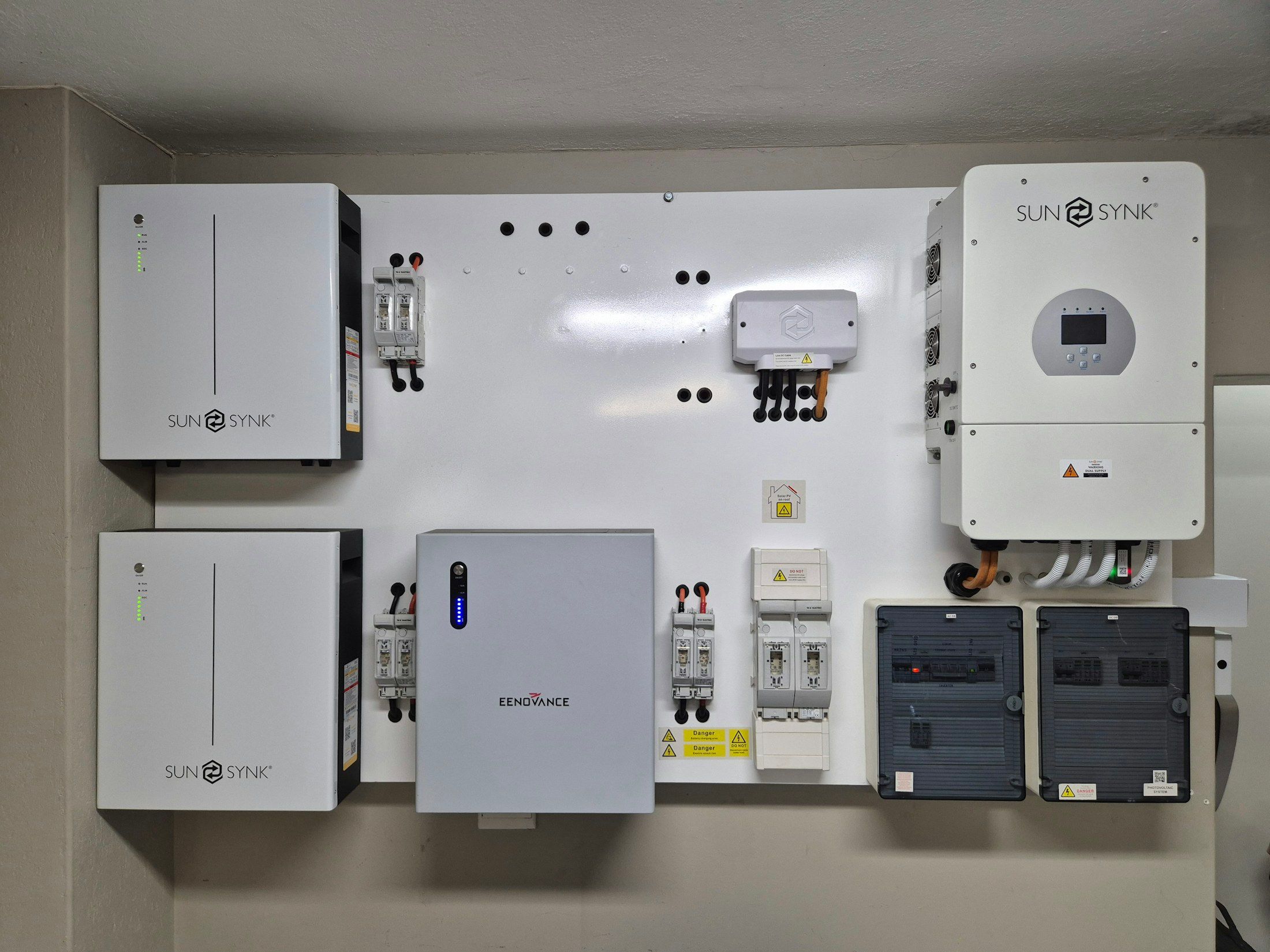
When you join, your battery stays in your home and keeps doing its normal job most of the time: storing your solar during the day and powering your home in the evening. The difference is that the VPP operator, usually an energy retailer or a battery company, can step in at certain times. For example, it might:
- discharge your battery into the grid when demand or wholesale prices are high
- charge your battery from the grid when power is cheap or plentiful
- hold charge in reserve so it is ready for an expected event
The operator does this through the battery's internet connection, so your battery needs to stay online.
VPP-capable versus in a VPP
These two phrases sound similar but mean different things. A VPP-capable battery has the hardware and software to be controlled by a VPP operator. Being in a VPP means you have signed a contract and handed over some control.
For the federal Cheaper Home Batteries discount, a grid-connected battery must be VPP-capable. Joining a VPP is optional. If a seller tells you that you must sign up to their VPP to get the federal discount, that is not what the program requires. Ask them to show you where it says so. Our guide to how the federal battery rebate works covers the full eligibility list.
What you might get
VPP offers vary a lot. Depending on the operator, you might be offered:
- credits on your electricity bill
- a payment each time your battery is used in an event
- a sign-up bonus or a discount on the battery
- a higher feed-in rate at certain times
Some offers only apply if you also take the operator's electricity plan. That matters, because the rates on that plan may affect your bills more than the VPP credits do.
State incentives that involve a VPP
New South Wales. The NSW Peak Demand Reduction Scheme (PDRS) has a VPP incentive for households that connect a home battery to a VPP. The NSW Government lists it as available now with no current closing date. From 1 July 2026, batteries up to 50 kWh are eligible, and the incentive is based on up to 28 kWh of capacity. The separate NSW battery installation discount is no longer available. See our NSW rebates page.
Western Australia. The WA Residential Battery Scheme offers a rebate of up to $1,300 for Synergy customers or up to $3,800 for Horizon Power customers, and the rebate covers batteries with 5 to 10 kWh of usable capacity, so check how the scheme treats the size you are considering. Joining a VPP is mandatory, with a two-year agreement. You need to be a WA resident aged 18 or over, a Synergy or Horizon Power customer, with the battery installed on or after 1 July 2025. There is also a no-interest loan of $2,001 to $10,000 over 3 to 10 years for households with a gross income under $210,000. See our WA rebates page.
South Australia. The Retailer Energy Productivity Scheme includes an activity for connecting a new or existing battery to an approved VPP. The government does not publish a fixed amount, as retailers and providers set their own incentives. Ask your retailer what they offer and whether it is currently available. See our SA rebates page.
For other states, check the rebates overview. Programs open and close, so confirm the details on the official page before you sign anything.
What you give up
The main trade-off is control. When the operator runs an event, energy you might have used yourself that evening may go to the grid instead. You could then end up buying more power from the grid later, depending on how the event is timed and how full your battery was.
Other things to weigh:
- Minimum reserve. You will probably want the battery to keep some charge for your own use or for a blackout. Find out what the operator guarantees to leave.
- Extra wear. More charging and discharging adds to the battery's workload. Check whether VPP use affects your battery warranty.
- Being tied to a retailer. If the VPP requires a particular electricity plan, you may be less free to shop around.
- Staying online. The battery has to remain connected so the operator can control it.
If backup during outages is your main reason for buying a battery, read whether a battery works in a blackout and ask how VPP events interact with your backup reserve.
Questions to ask before you sign
Get the answers in writing:
- How many events per year can you run on my battery, and how much energy can you take each time?
- What minimum charge will you always leave in my battery? Can I change it?
- Can I opt out of individual events?
- Exactly what will I be paid, how, and can the payment change during the contract?
- Do I have to be on your electricity plan? What are its rates?
- How long is the contract, what are the exit fees, and would I have to repay a bonus or incentive if I leave early?
- Does VPP use affect my battery warranty? Who is responsible if the battery is damaged during an event?
- What happens if I move house or sell the property?
- What data do you collect from my system, and who do you share it with?
Compare the whole package over the contract term. A larger sign-up bonus paired with a more expensive electricity plan may not leave you ahead. The solar payback calculator can help you think about how your own usage and tariff fit together.
When a VPP may or may not suit you
A VPP may suit you if:
- you want a state incentive that requires one, such as in WA or NSW
- your battery often has spare charge left by morning
- the offer's electricity plan is competitive for your usage anyway
- you are comfortable letting someone else decide when some of your stored energy is used
A VPP may not suit you if:
- blackout backup is your top priority
- your battery barely covers your own evening use
- the required plan costs you more than the VPP pays
- the exit terms would lock you in for longer than you are comfortable with
There is no single right answer. You can install a VPP-capable battery now and decide later, as long as you understand any state incentive rules that apply at installation.
The short version
- A VPP lets an operator control part of your battery's charging and discharging, usually in return for credits or payments.
- You do not have to join a VPP for the federal discount, but a grid-connected battery must be VPP-capable.
- The NSW PDRS incentive involves connecting to a VPP, and the WA Residential Battery Scheme makes joining one mandatory.
- Ask about minimum reserve, exit terms, warranty effects and any required electricity plan before you sign.
- Compare offers as a whole package, and get quotes that spell out the VPP terms clearly.
Sources
- DCCEEW, Cheaper Home Batteries Program
Checked 23 September 2026
- Energy NSW, Virtual power plant (VPP) incentive
Checked 23 September 2026
- WA Government, WA Residential Battery Scheme: information for applicants
Checked 23 September 2026
Questions people also ask
Do I have to join a VPP to get the federal battery rebate?
No. A grid-connected battery has to be capable of joining a virtual power plant to qualify for the federal discount, but signing up to one is your choice. Some state programs, such as the WA Residential Battery Scheme, do require you to join.
Can I leave a virtual power plant?
That depends on your contract. Check the contract length, any exit fees, and whether you would have to pay back a sign-up bonus or incentive if you leave early.
Will a VPP drain my battery before a blackout?
It can happen if an event runs shortly before an outage. Ask the operator what minimum charge they always leave in your battery and whether you can raise it if backup matters to you.
How much do you get paid for joining a VPP?
It depends on the operator and the offer. Payments may come as bill credits, per-event payments or a sign-up bonus, and some offers are tied to a particular electricity plan, so compare the whole package rather than the headline payment.