What size solar system do you need?
How to size a home solar system from your bills, daytime use, roof and local sunshine, with average output per kW for each capital city.
SolarAnswers editors, updated , 6 min read
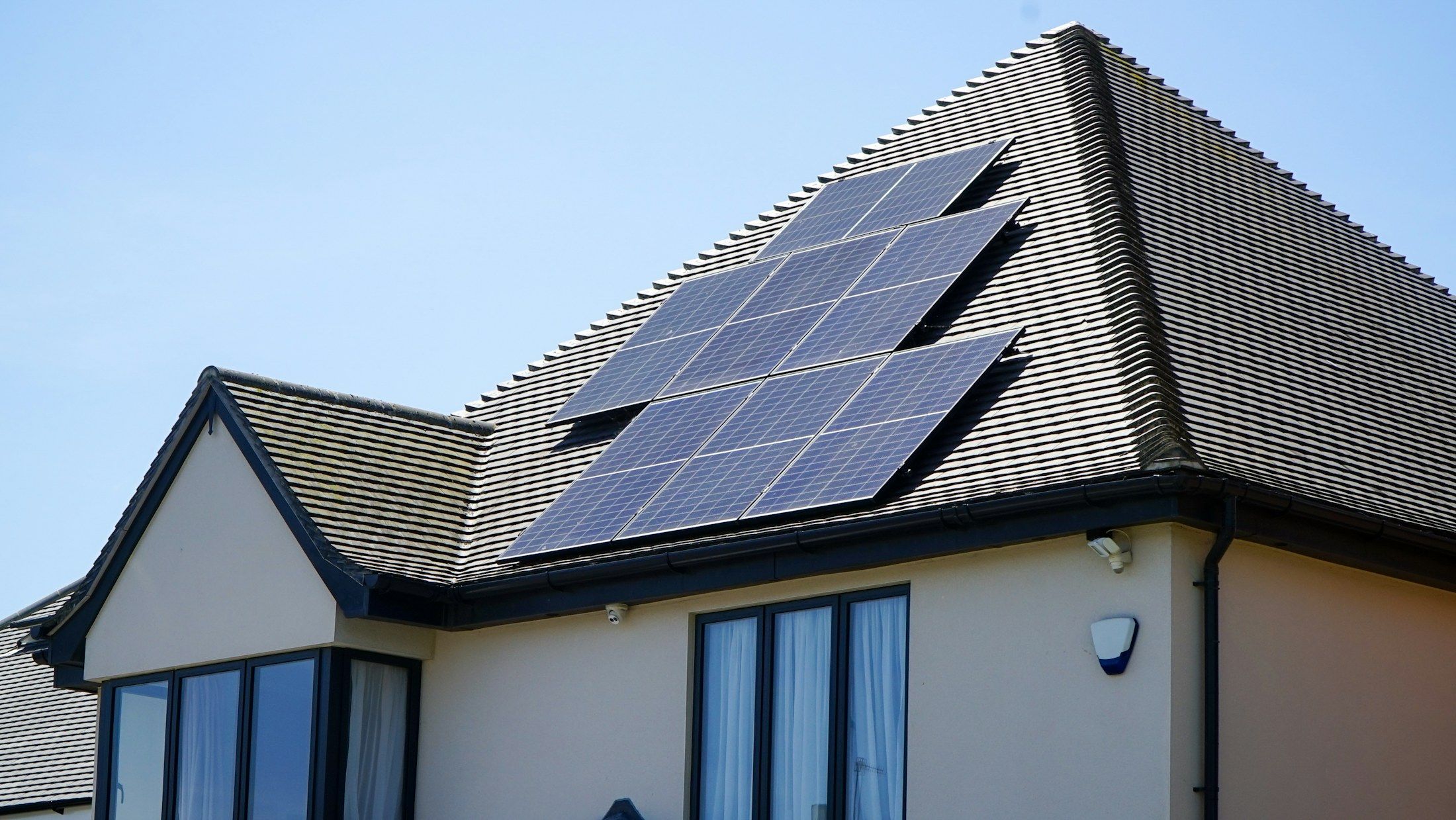
The right solar system for your home is the one sized to your electricity use, your roof and your plans, not the biggest one a salesperson can fit. Start with the yearly kWh figure from your bills, work out how much of it you use during the day, then check what your roof and local network will allow. If a battery or electric car is likely in the next few years, plan for it now.
Start with your electricity bills
Your bills are the best sizing tool you have. Look for your usage in kilowatt hours (kWh), the unit you are charged for. Most bills show your average daily use for the billing period.
To get a yearly figure, either:
- add up the usage on your last four quarterly bills (or 12 monthly bills), or
- take the average daily use from bills across different seasons, average them, and multiply by 365.
A full year matters because heating and cooling make use swing with the seasons, so one bill can mislead you.
If you have a smart meter, your retailer may be able to give you interval data showing when in the day you use power.
Daytime use versus evening use
Solar panels produce most of their power in the middle of the day. Every kWh you use while the sun is up is one you don't buy from the grid. Anything you don't use is exported and earns a feed-in tariff, which is far lower than the price you pay for power. Our guide to solar feed-in tariffs has the current rates.
That means two households with the same yearly usage can suit different systems:
- Home during the day (working from home, retired, young kids): you can use more of your solar directly, so a system that roughly matches your yearly use is a sensible starting point.
- Out all day, with most use in the evening: more of your solar will be exported for a low rate. Moving the dishwasher, washing machine and hot water into the middle of the day matters more for you, and a battery may be worth a look later.
How much each kW produces where you live
System size is quoted in kilowatts (kW), the combined rated output of the panels. What each kW produces depends mostly on where you live. The Australian Government's YourHome guide gives these yearly averages:
| City | Average daily output per kW | Rough yearly output of a 6.6 kW system |
|---|---|---|
| Adelaide | 4.2 kWh | about 10,100 kWh |
| Brisbane | 4.2 kWh | about 10,100 kWh |
| Canberra | 4.3 kWh | about 10,400 kWh |
| Darwin | 4.4 kWh | about 10,600 kWh |
| Hobart | 3.5 kWh | about 8,400 kWh |
| Melbourne | 3.6 kWh | about 8,700 kWh |
| Perth | 4.4 kWh | about 10,600 kWh |
| Sydney | 4.0 kWh | about 9,600 kWh |
The last column is our own arithmetic (6.6 kW times the daily figure times 365, rounded). Output is higher in summer and lower in winter, and real results depend on panel direction, tilt, shading and equipment losses. Treat these as a starting point, not a promise.
A worked example
Say your bills show you use 16 kWh a day, or about 5,840 kWh a year. In Sydney, each kW of panels makes about 4.0 kWh a day, or about 1,460 kWh a year. A system of about 4 kW would produce roughly as much as you use over a year (5,840 divided by 1,460 is 4.0).
In Melbourne, where each kW makes about 3.6 kWh a day, the same household would need closer to 4.4 kW to match its yearly use.
Matching your yearly use on paper is not the same as covering your bills. You will make more than you need in summer and less in winter, and you will export power by day and buy it back at night. That is one reason to consider a system somewhat larger than the matching figure, especially if you expect your use to grow. Ask your installer what suits your pattern of use.
Roof space, direction and shade
Your roof sets the upper limit. The things that matter most:
- Usable area. Panels need clear space away from roof edges, vents and skylights. A good installer will draw a panel layout on an image of your actual roof, so you can see how many fit.
- Direction. North-facing panels produce the most energy over a day. East and west faces produce less in total but spread output into the morning and afternoon, which can suit some households. South-facing panels produce noticeably less.
- Tilt. Most pitched roofs work well. Flat roofs may need tilt frames, which add cost.
- Shade. Trees, chimneys, neighbouring buildings and even an antenna can cut output. Ask how the design allows for any shade on your roof.
If your best roof face can't fit the size you want, panels can often be split across two faces, which may affect the inverter choice.
Network export limits
Your local network company (the distributor that owns the poles and wires, not your retailer) sets rules on how much power a home system can send to the grid. Depending on where you live, that might mean a fixed export limit, a limit that changes with conditions on the network, or an approval process before a larger system can be connected. Homes with single-phase power can face tighter limits than three-phase homes.
An export limit doesn't always stop you installing more panels, but some output beyond what you use may be held back rather than exported. Your installer should apply to the network for you and tell you, in writing, what limits apply before you sign.
Planning for a battery or EV later
If you might add a home battery or an electric vehicle in the next few years, factor that in now:
- Batteries charge from surplus solar during the day. If your system only just covers your daytime use, there may be little left over to charge a battery, especially in winter. Our guide on what size battery you need explains how to size one, and the battery rebate calculator estimates the federal discount.
- Electric vehicles can add a lot of daytime demand if the car is at home and charging while the sun is out.
- Adding panels later is possible but can be awkward. Matching panels may no longer be sold, the inverter may have no spare capacity, and you pay for a second visit.
Inverter sizing, briefly
The inverter turns the direct current (DC) power from your panels into the alternating current (AC) power your home uses. It has its own rating in kW, which can be a little lower than the combined rating of the panels. Panels rarely produce their full rated output, so pairing a panel array with a slightly smaller inverter is common, within limits set by industry rules. A good installer will design inside those limits.
Questions to ask:
- What is the inverter's rating, and how does it compare with the panels?
- Is it single-phase or three-phase, and does that suit your home and network?
- Can it run a battery later (a hybrid inverter), or would a battery need its own inverter?
Bigger systems also tend to cost less per watt. In the Solar Choice Price Index for 1 September 2026, the average 10 kW system in Sydney worked out at about $0.87 per watt, against about $0.95 for 6 kW. See how much solar costs, and test different sizes with the solar payback calculator.
The short version
- Add up a year of kWh from your bills and note when in the day you use it.
- Divide your yearly use by your city's yearly output per kW to find the size that matches your use on paper.
- Check roof space, shading and your network's export rules with your installer before settling on a size.
- If a battery or EV is likely, allow extra capacity and choose an inverter that can grow with you.
- Get a few quotes with a panel layout drawn for your roof, then compare them. You can request quotes here.
Sources
- YourHome (Australian Government), Rooftop solar
Checked 23 September 2026
- Solar Choice Price Index, 1 September 2026
Checked 1 September 2026
Questions people also ask
Is a 6.6 kW system the right size for most homes?
It is a common size, but it is not right for everyone. The best size depends on how much power you use, when you use it, your roof and your network's export rules, so work from your own bills rather than a standard package.
Can I install more solar than my home uses?
Often, within your network's rules and the limits on inverter sizing. Extra exports earn a feed-in tariff that is much lower than what you pay for grid power, so the benefit depends on how much of the output you can use yourself or store.
Does the direction my roof faces change the size I need?
It can. East and west-facing panels produce less over a day than north-facing ones, so you may need more of them to make the same amount of energy, although they can better match morning and afternoon use.
Should I size up if I might buy an electric car?
If the car will often be parked at home during the day, extra solar may help cover charging. Talk your likely driving and charging habits through with your installer before you decide.