NSW's solar emergency backstop: what changes when you install or upgrade
NSW's solar backstop is a last-resort grid safety measure. Existing systems need no action, but new or upgraded installations should meet the current network rules.
SolarAnswers editors, updated , 5 min read
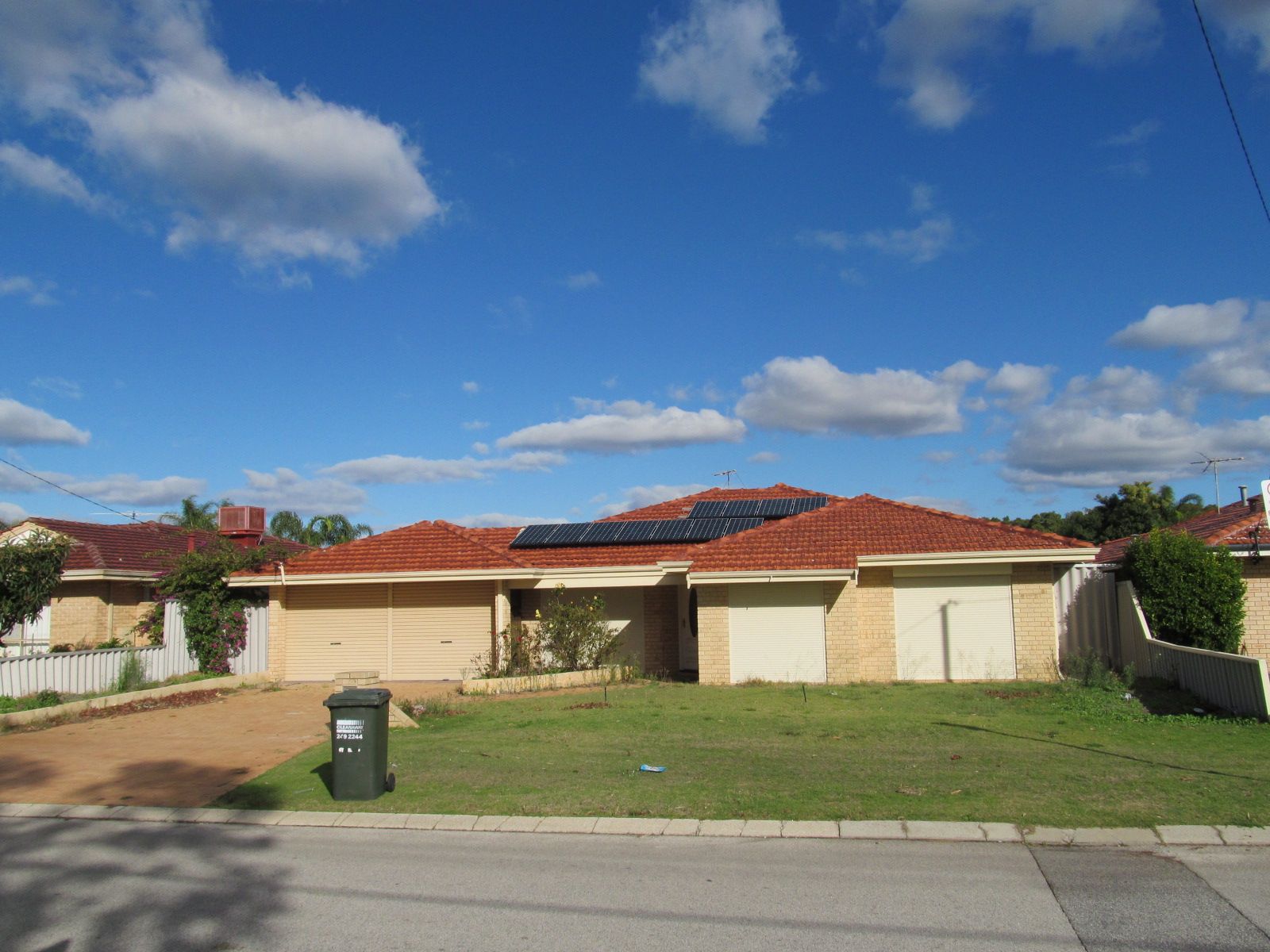
Illustrative rooftop solar photo; the location is unverified and it does not depict a NSW backstop activation. Image: Esthee2010 / Wikimedia Commons, CC BY-SA 4.0. Cropped and resized for display.
If you already have solar on your NSW roof, the state's emergency backstop guidance offers a straightforward answer: an existing system that you are not changing needs no action. The practical question is different if you are ordering a new array, replacing an inverter or adding equipment to an existing installation. New and upgraded solar systems are being brought into a staged set of technical and registration requirements from late 2026. Ask the installer how those requirements apply to the actual design quoted for your home.
The backstop is intended to be a last-resort tool for periods when electricity supply substantially exceeds demand. AEMO can direct NSW distribution networks to temporarily reduce rooftop exports or pause generation if other measures have not resolved a minimum-system-load emergency. NSW says it expects this to happen rarely and that normal operation will be restored after the emergency. It is not a plan to switch every solar home off each sunny afternoon. The difference matters: a routine export limit in your connection agreement and an AEMO-directed emergency intervention are separate things.
Why is NSW adding a backstop?
Rooftop output can be very high when the sun is strong and ordinary grid demand is low. As our report on the October rooftop-solar output record explains, a national output figure is not the same thing as the power a particular household can export. The operator has to balance electricity across the wider system at every moment. NSW's household explanation says it would first look to other actions, including adjustments to large generators and large users, before activating this backstop. Temporary control of distributed solar is another safety option when those steps are insufficient.
That does not mean your panels have become defective or that a customer has done something wrong. It also does not tell you how frequently your own system might be affected: NSW describes the mechanism as rare, but its actual use will depend on future grid conditions. A quote that claims a particular annual loss of solar production from the backstop should therefore show a transparent basis for the estimate, rather than presenting it as an established NSW-wide figure.
Which installations are covered?
According to the current NSW Government household page, new and upgraded rooftop solar systems up to and including 200 kW are the systems for which installers will need to meet the new requirements during the staged rollout. The inverter needs to comply with the Common Smart Inverter Profile - Australia, known as CSIP-AUS. The installer also has to register the new or upgraded system with the relevant distribution network's utility server through the NSW Consumer Energy Resources Installer Portal.
The government has not given households a single universal commissioning date for every network and scenario on that page. It describes a staged introduction from late 2026. Before accepting a quote, ask the retailer or installer which requirements apply to the proposed installation date and your address, then have the answer recorded on the quote or handover documents. A system sold as 'smart' is not automatically evidence that the required inverter profile and registration have been completed.
There is an important distinction for battery upgrades. NSW's FAQ says the backstop requirements apply when a battery is a hybrid system connected to solar. They do not apply simply because you add an AC-coupled battery. Yet the right classification depends on the actual wiring and inverter arrangement, not the label in a sales brochure. Have the installer identify whether your existing solar inverter will be replaced, whether the solar system itself is being upgraded, and which registration steps follow from that design. A standard EV charger is outside the current solar backstop requirements.
What could happen during an activation?
NSW says a network might temporarily lower exports or pause generation, following AEMO's instruction. The effect on self-consumption, feed-in revenue or a battery's behaviour can differ with the system's configuration and the particular control action. The public guidance does not establish a household-wide monetary loss or compensation figure. Ask your installer how the proposed inverter and battery are expected to behave if exports are reduced, if generation is paused, and once normal operation resumes. This is especially useful when a salesperson says a battery guarantees uninterrupted solar use; backup also depends on the equipment and wiring. Our blackout guide addresses that separate question.
NSW also says the mechanism is designed to operate within technical standards and should not damage a correctly installed system or affect the manufacturer's warranty when used as intended. That statement is not a reason to ignore ordinary installation quality. Keep the model numbers, warranties and commissioning records so a later fault can be diagnosed against the equipment actually installed.
What to put on the quote and handover checklist
Before signing, ask for the inverter make and exact model, the proposed solar and battery configuration, the network connection application, and who will complete CSIP-AUS setup and portal registration. Find out whether the quote includes any required communications equipment, connection charges or switchboard work. Our solar quote comparison guide helps put those costs beside a second quote rather than comparing only the headline panel count.
At handover, ask the installer to show the system operating and to provide the final design, electrical and commissioning paperwork, network approval and a route for support if the monitoring or communications link stops working. Use the installation handover checklist to record what was actually delivered. You do not have to become the grid operator. You do need a clear account of what is connected to your home and who is responsible for registering it.
For an untouched existing array, no retrofit is required under the current NSW advice. For a new or modified one, the safest next step is a written, address-specific answer from the installer based on the latest network and NSW instructions. This guide reflects the government guidance checked on 19 October 2026; the staged implementation details should be checked again when work is booked.
Sources
- NSW Government, Emergency Backstop Mechanism, household guidance and FAQ
Checked 19 October 2026
- NSW Government, Preparing for the NSW Emergency Backstop Mechanism fact sheet
Checked 19 October 2026
- SolarAnswers, Rooftop solar sets a new output record across the main electricity market
Checked 19 October 2026
Questions people also ask
Do I need to change my existing NSW solar system?
No. NSW says an existing system that is not being upgraded needs no action under the current backstop rollout.
Does adding a battery bring my system under the backstop?
The NSW guidance distinguishes a hybrid solar-battery system from an AC-coupled battery alone. Ask your installer how the actual wiring and inverter upgrade are classified.
Will the backstop turn off rooftop solar every sunny day?
No. NSW describes it as a rare, last-resort response to an AEMO-directed minimum-system-load emergency, after other measures have been tried.