Bigger solar and batteries in south-west WA: what the 2026 connection rules actually allow
WA's updated connection rules give many south-west households a route to larger solar and battery systems, but a bigger inverter does not mean unlimited exports.
SolarAnswers editors, updated , 5 min read
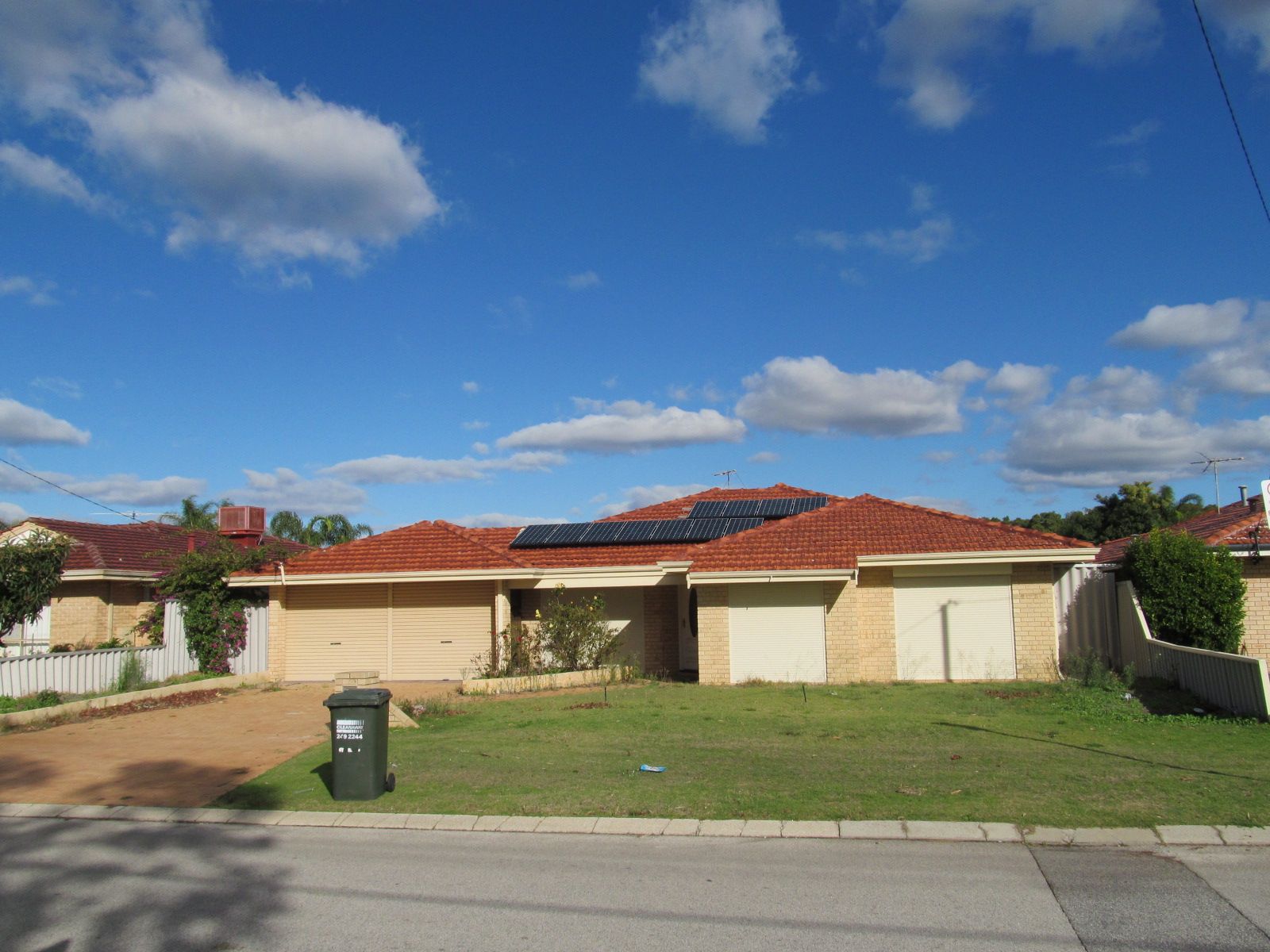
Illustrative rooftop solar photo taken in Noranda, WA, in 2012; it does not show an installation under the 2026 rules. Image: Orderinchaos / Wikimedia Commons, CC BY-SA 3.0. Cropped and resized for display.
A salesperson may describe Western Australia's new rules as permission to install a much bigger solar inverter. That is only part of the story. For new or upgraded systems on the South West Interconnected System, or SWIS, the WA Government's consumer guidance describes a more flexible standard connection pathway for solar and batteries, alongside modern communication and emergency-management requirements. The changes took effect on 1 May 2026. They do not rewrite the terms of an existing system that has not been upgraded.
This is a practical buying question in October, when a household might be comparing panels, a battery, a larger inverter or an electric car. It is possible to buy hardware larger than an old rule permitted but still receive a modest export limit at a particular address. The physical network, the retailer's arrangement and commissioning details determine what can actually be connected and exported. Treat an advertised capacity as a design possibility, not a promise that your meter will send all surplus electricity to the grid.
Where do the changes apply?
The rules discussed here concern the SWIS, the south-west electricity grid, and new or upgraded solar and battery installations within the standard small-user framework. They are not a blanket statement about every remote WA town, isolated network or commercial project. The government says the framework covers inverter-based systems up to an aggregate 30 kVA on a standard connection, including single- and three-phase sites. An installer must still check the relevant Western Power connection process and your retailer's commissioning requirements.
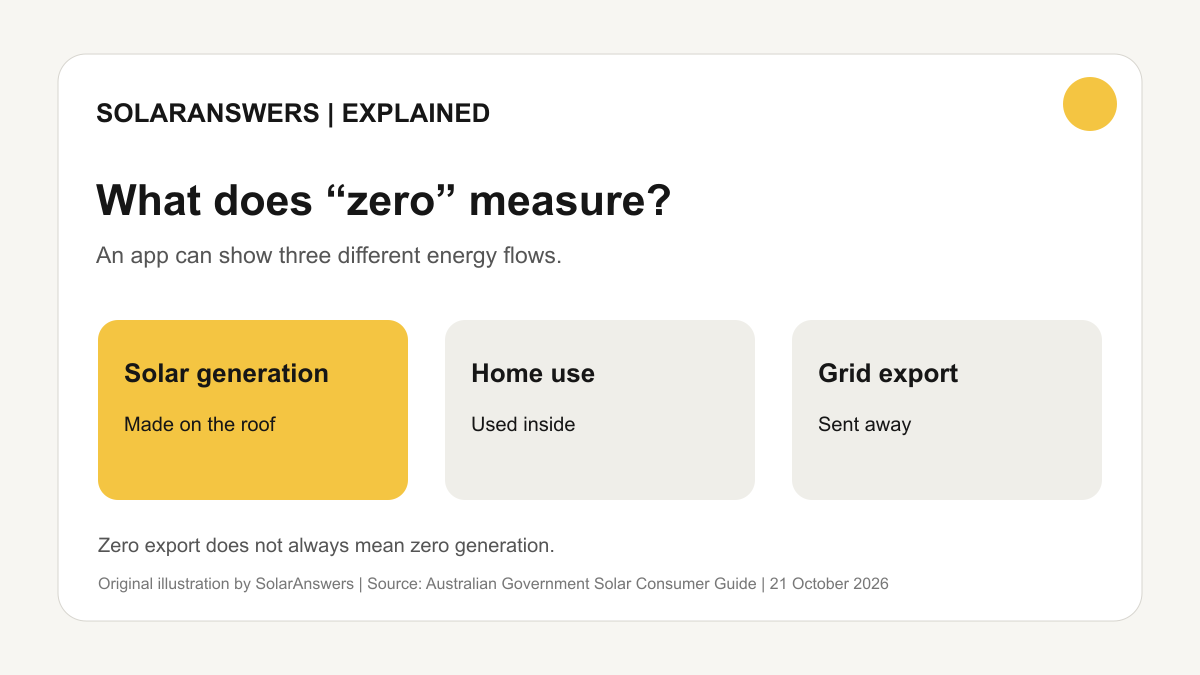
Capacity labels are easy to mix up. The 30 kVA figure concerns aggregate inverter capacity in this connection framework; it is not a battery's stored energy in kWh, a promise of 30 kW exports, or a recommendation that every home needs a system that large. Before sizing equipment, use the household's bills, daytime use, roof space and future loads. Our solar system sizing guide gives a starting point for that discussion. A larger array can be useful for self-consumption even when network exports are restricted, but that value must be checked against the actual quote and tariff.
What equipment and connectivity are required?
WA says new or upgraded systems need modern grid-communication capability. For most Synergy household customers, installers use the Common Smart Inverter Profile - Australia, CSIP-AUS, as part of commissioning. The technical explanation says new and upgraded systems in this framework must be capable of remote disconnection and reconnection in a grid emergency. This extends WA's earlier emergency solar management approach. It is a safety function, not a daily instruction to surrender control of your battery.
An internet connection can matter if you want a flexible-export product. The consumer page says a system must pass installation capability testing, but a customer who does not want to join export products, or cannot maintain stable internet, is not required to keep ongoing connectivity after the test. In that case the site can use a standard fixed export limit of up to 1.5 kW while retaining personal use of its solar or battery energy. A fixed export limit is therefore an option with a trade-off, not a ban on making your own electricity.
If communication fails on a flexible arrangement, the government's installer guidance says the system defaults to a lower static export setting; flexible capability can return when communication is restored, subject to the applicable arrangement. Ask the installer who will set up the connection, whether your home internet location is suitable and what monitoring alert you will see if connectivity is lost. This can be as important as the panel brand if projected earnings rely on flexible exports.
Does an older system need to be changed?
No automatic retrofit follows from these rules. WA's consumer guidance says systems installed or upgraded before 1 May 2026 are not affected simply because the new framework exists. The position can change if you modify the installation. Adding a battery or inverter to an existing solar array is the type of upgrade for which the industry guidance says the standard small-user requirements may apply. A similar inverter replaced under warranty is listed as an exception to the ongoing criteria. These distinctions are a reason to ask for an exact design review before ordering a battery.
The policy also does not say a household must join a virtual power plant. WA wants systems capable of future services, but joining an export arrangement is a separate consumer choice. Our VPP guide sets out the reserve, dispatch and exit questions worth asking before signing. The presence of CSIP-AUS in a quote is not itself a VPP agreement, and an attractive export estimate is not guaranteed income.
How to test a quote against the rule
Ask each installer for the total inverter capacity in kVA, panel capacity in kW, usable battery capacity in kWh, and the export limit expected at your address. Request the connection approval conditions, including whether the proposed design uses a fixed limit or a flexible-export arrangement. Confirm which retailer commissioning process will be used, who will complete CSIP-AUS setup, and what happens if the internet connection drops. A well-specified quote should distinguish equipment capability from the actual network-approved export setting.
Then compare the economics with conservative assumptions. The value of electricity you use in the house can differ from the feed-in payment on electricity sent out. Our feed-in tariff guide explains why export revenue alone should not decide system size. Ask the installer to show how much of the estimated benefit comes from self-use, ordinary exports and any optional export product. Check whether a promised flexible product is available from your retailer today or merely expected in the future.
Finally, keep the approved design, commissioning report, inverter settings, network paperwork and support contact. If you later add panels or a battery, those records help the next electrician distinguish the existing approved system from the proposed upgrade. The key point is simple: the 2026 rules can make a larger design possible on the SWIS, but the site-specific connection decision and the customer's export choice still matter.
Sources
- WA Government, Requirements for solar and batteries: information for consumers
Checked 19 October 2026
- WA Government, Requirements for solar and batteries: information for installers and retailers
Checked 19 October 2026
- WA Government, Technical requirements for new or upgraded solar and battery systems
Checked 19 October 2026
Questions people also ask
Do the 2026 WA rules apply to my existing solar system?
An unchanged system installed before 1 May 2026 is not automatically affected. An upgrade can bring new connection requirements into play.
Does a 30 kVA system mean I can export 30 kW?
No. Inverter capacity and export permission are different. Your network approval states the export limit for your address and chosen connection pathway.
Must a WA solar customer join a virtual power plant?
No. Technical capability for future services is not the same as agreeing to a VPP contract. Read any dispatch, reserve and exit terms separately.