Why your battery installer has to photograph the labels, and how the regulator checks them
Since 1 March 2026, installers must photograph a battery's critical labels, and the regulator checks them with an AI tool. What that means for your install, plus the 21 suspensions explained.
Most of the paperwork behind a battery install happens out of sight, but your discount depends on it. Since 1 March 2026, that paperwork has included photos of the labels on your meter box, switchboard and battery, and the regulator now checks them with help from AI. Here is what that involves, and the few things worth watching on your side.
What installers must photograph
Installers claiming the federal battery discount now have to take clear, geotagged and time-stamped photos of a battery's critical labels. Missing or poor photos can delay or sink the certificate claim that pays for the discount on your quote.
That discount, under the Cheaper Home Batteries Program, comes from small-scale technology certificates (STCs), which the Clean Energy Regulator (CER) oversees. To create them, installers already had to supply geotagged, time-stamped photos of themselves on site at job setup, mid-installation, and testing and commissioning, plus a final completion photo that matches the test date on the certificate of electrical compliance. They must also photograph serial numbers on the battery and any new inverter.
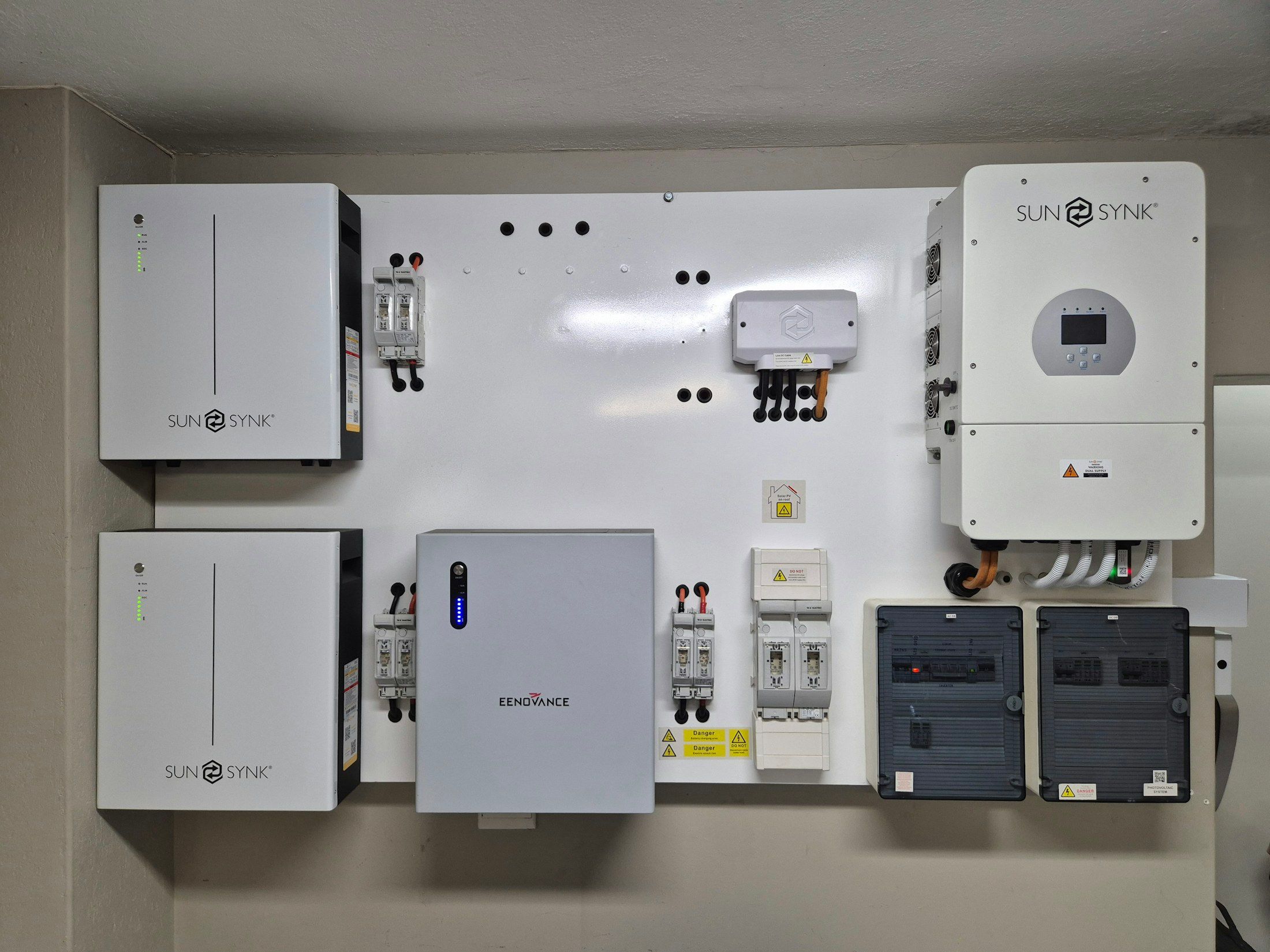
The new rule adds photos of critical labelling and signage. For each battery installation, the CER requires a photo of:
- the outside of the meter box, including all critical labelling
- the switchboard and its inside cover, including all critical labelling and shutdown procedures
- the front and sides of the battery, showing all critical labelling.
The CER says it brought in the rule to address common problems with critical labelling and to support compliance with Australian Standards. Installers are not allowed to return to a site after the job to take photos, or to alter documents to match photos taken later.
How the AI check works
The CER's AI-assisted image analysis tool flags installations where required labels may be missing from the photos. It also looks for problems with image metadata, such as the location and time stamps that must come with each photo.
The tool does not make the final call. CER officers assess every flagged case and decide whether the rules have been met. The regulator has warned installers that it will fail claims and send them back to site if the work is not done properly the first time, and its guidance says missing photos will lead to delayed or rejected STC claims.
The 21 suspensions, and what they were for
In its update of 22 July 2026, the CER reported suspending 21 companies from the scheme. Its quarterly compliance update for April to June 2026 explains that they were permanently suspended from the Small-scale Renewable Energy Scheme because they no longer met fit and proper person requirements. The main reason was that ASIC had deregistered them, so they no longer existed as legal entities. These suspensions were not about battery photos.
The same update recorded other action:
- It suspended the registration of Asun Solar Pty Ltd, citing non-compliance with a statutory notice and a failure to show the capability, competency and business practices expected of a registered agent.
- It issued a notice of intention to declare a solar retailer ineligible to make retailer written statements, after preliminary findings of false or misleading statements that solar systems were complete and able to generate electricity when they were not. If made, the declaration would stop that retailer supporting STC claims for up to three years.
- It found cases where on-site selfies did not show the accredited installer recorded for the job.
What it means for you
A few checks on your side help:
- Use accredited people and products. The federal government's checklist is a battery accredited by the Clean Energy Council, an installer accredited by Solar Accreditation Australia, and that installer on site for set-up, installation and commissioning.
- Expect photos. Your installer needs to photograph the meter box, switchboard and battery. Make sure they can get access.
- Look at the labels. After the job, check that the battery, switchboard and meter box are labelled, and keep a copy of your certificate of electrical compliance.
- Ask what happens if the claim fails. Before signing, find out whether you could be asked to pay the discount back if the STC claim is delayed or rejected. Get the answer in writing.
- Check the business is still trading. Several suspended companies had been deregistered. Look up the company's ABN or ASIC record before you pay a deposit.
- Check your discount was claimed. The government says to contact the CER if you want to know whether the discount has been claimed for your installation.
For how the discount is calculated, read how the federal battery rebate works or try the battery rebate calculator. When you speak to installers, our list of questions to ask a solar installer covers paperwork as well as price.
Our take
We think the photo rule is a sensible one from a household's point of view. The CER brought it in because labelling problems were common, and a dated, geotagged photo makes that step harder to skip. What we would watch most closely is the risk if a claim fails. Your discount rides on the STC claim, so we would want the contract to say plainly who carries that risk. And since deregistration was the main reason behind the 21 suspensions, we would check the company still exists before paying a deposit.
Written by the SolarAnswers editors
We check every figure against the government or manufacturer source and link it below. We do not sell equipment, and no installer or brand pays to be written about. How we are paid
Sources
- Clean Energy Regulator, Clean Energy Regulator targets incomplete solar in compliance crackdown (22 July 2026)
Checked 23 September 2026
- Clean Energy Regulator, Compliance update, April to June 2026
Checked 23 September 2026
- Clean Energy Regulator, Solar battery installers and designers
Checked 23 September 2026
- DCCEEW, Cheaper Home Batteries Program
Checked 23 September 2026
Comments