Batteries are reshaping the power market. What does that mean for your bill?
AEMO says batteries are helping moderate wholesale prices and shift energy into the evening. A lower wholesale price still does not translate directly into a household bill.
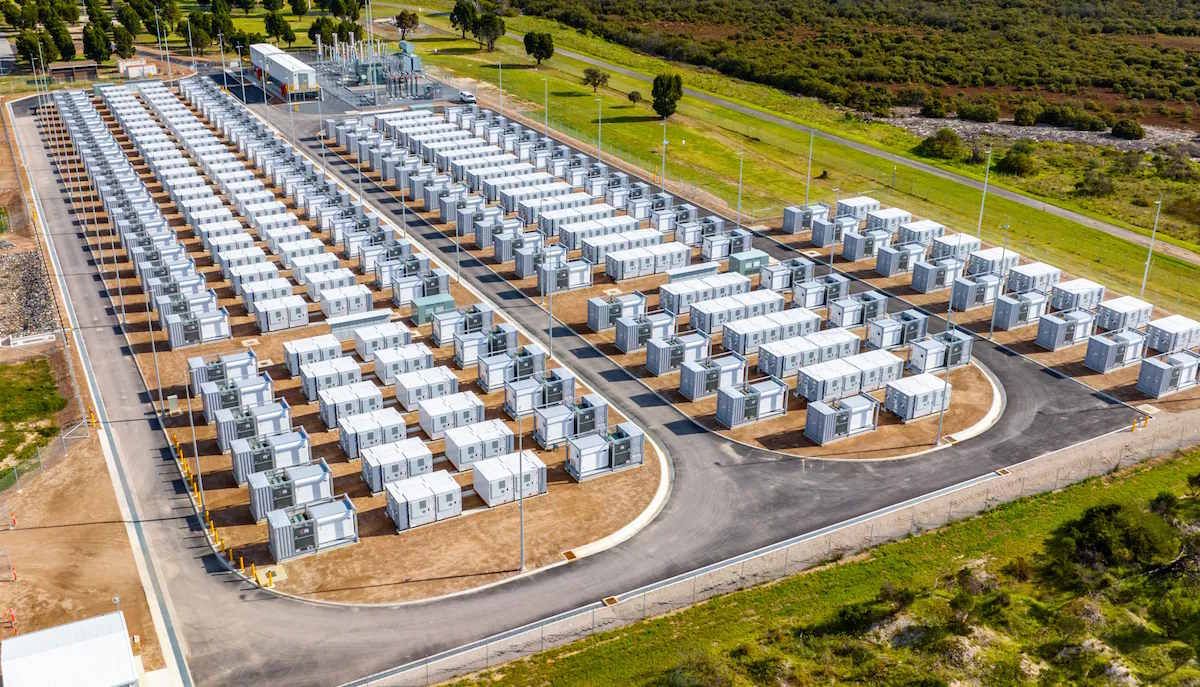
Image reproduced from: RenewEconomy, AEMO says batteries, big and small, cutting power prices and “fundamentally” changing the grid. Credit: AGL, as credited by RenewEconomy.
Batteries are becoming a more influential part of Australia's electricity market, both as buyers of daytime electricity and as suppliers during the evening. AEMO chief executive Daniel Westerman's latest account of the market describes a change in when energy is used and which technologies influence its wholesale price.
For households, that raises two connected questions: how does storage change the market, and how much of that change reaches an electricity account? The answers involve different measures and different timescales.
The figures behind the announcement
RenewEconomy's 14 October report says Westerman told a Sydney conference that grid-scale batteries set wholesale prices close to half the time in the September quarter. That compared with 18% a year earlier and 36% in the June quarter.
He said prices were lower across every National Electricity Market region for the quarter. The comments preceded the full quarterly report, so they should be identified as the operator's early account rather than a completed SolarAnswers analysis of the underlying data.
The same report describes homes with batteries drawing, on average, 70% to 75% less grid electricity at peak times than homes with solar alone. This is a comparison of demand in the reported household groups. It is not a promised reduction in an individual buyer's bill.
Setting the price is different from supplying all the energy
A technology can influence the price at the margin without supplying most of the electricity consumed. A price-setting share is therefore not a generation share. Reading the two as interchangeable would exaggerate what the battery fleet supplied.
A useful way to think about storage is as a participant on both sides of the day. Charging adds demand when energy is available; discharging adds supply later. The value of that movement depends on timing, the amount stored and the difference between purchase and sale prices.
It also has limits. A battery that has discharged needs to recharge before providing the same amount of energy again. Power capacity describes how quickly it can respond; energy capacity describes how much it can move. Both are needed to understand its contribution.
What the market data can show
AEMO's NEM dashboard publishes regional price and demand information, including five-minute dispatch data. It distinguishes actual and forecast information and allows users to examine different periods.
For someone checking the claim about lower prices, a single low-price interval would not be enough. A meaningful comparison needs the same regions, the same averaging method and comparable periods. Weather, demand, outages and available generation can change alongside battery capacity.
That makes the forthcoming quarterly detail important. It can help distinguish a persistent pattern from a result driven by a small number of unusual days. The conference remarks are evidence of a trend AEMO is observing, while a claim about its precise causes requires more analysis.
Why the retail bill does not move in lockstep
The Australian Energy Regulator's explanation of energy bills identifies wholesale energy, network and retail costs as components of the final account. A wholesale price movement affects one part of that chain.
A household's bill is then calculated under its retail contract. The daily supply charge, usage rates and credits determine what appears on that account. A percentage fall in a wholesale indicator should not be applied directly to the entire bill.
For a customer, the evidence of a saving is a comparison of actual plans and usage, including any changed rates. For the wider system, lower wholesale costs can be important even when the timing and size of retail changes differ.
What to examine in a home battery proposal
Separate the proposed household benefit from the claim about the grid. Ask the seller to show when your battery is expected to charge and discharge, which imports it would replace and what happens on days with little spare solar.
If the proposal includes a virtual power plant, check which decisions remain yours and which belong to the operator. A financial projection should match those operating rules. It should also distinguish ordinary bill savings from payments that depend on specific events or participation conditions.
The market development is significant because storage changes the timing of demand and supply. The buying decision still requires evidence about the system at your address. Those two analyses can support each other without being treated as the same calculation.
Written by the SolarAnswers editors
We link the reporting, government, industry or manufacturer sources behind each story below, and distinguish reported claims from our own analysis. We do not sell equipment, and no installer or brand pays to be written about. How we are paid
Sources
- RenewEconomy, AEMO says batteries, big and small, cutting power prices and “fundamentally” changing the grid (2026-10-14)
Checked 15 October 2026
- AEMO, National Electricity Market data dashboard and data definitions
Checked 15 October 2026
- Australian Energy Regulator, About energy bills
Checked 15 October 2026

Comments
If comments do not appear, reload this page or browse the community.