Battery complaints have more than doubled. What the ACCC found, and what to check before you buy
The ACCC says many battery owners are paying less for power, but complaints are up 107%. We explain what it found, what it wants changed and what to check before you sign.
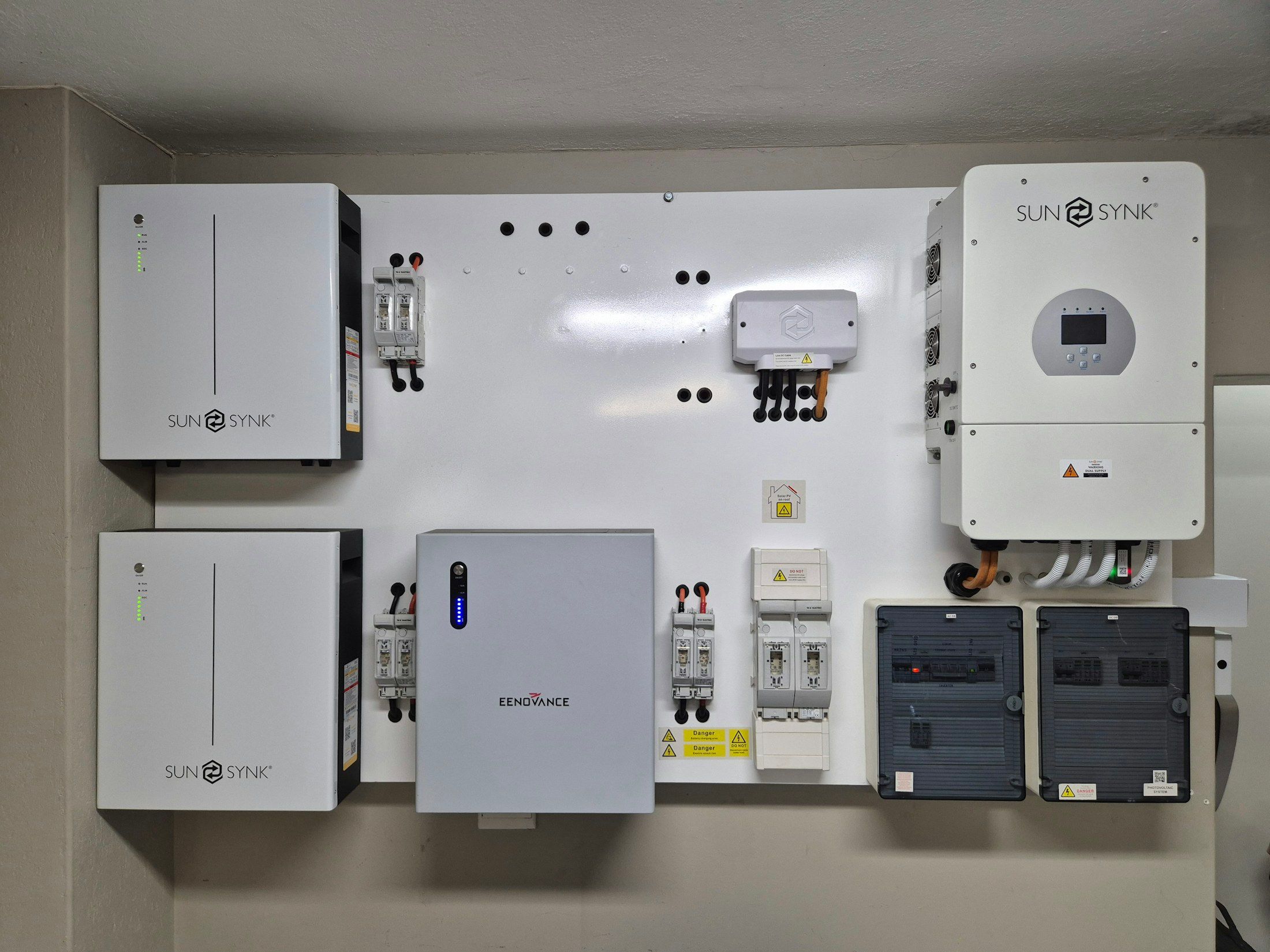
Batteries have had a big year: more than 400,000 were installed across Australia in the past 12 months. The ACCC's July report says many owners are now paying less for electricity, but it also found complaints have more than doubled. If you are shopping for a battery, that is a good reason to slow down and check who you are buying from.
What the report found
Reports to the ACCC about household batteries and new energy services rose by 107% over 12 months, as installations surged under the federal Cheaper Home Batteries Program. The report, released on 10 July 2026, is the June 2026 report of the ACCC's inquiry into the National Electricity Market, and the 15th from that inquiry. It looked closely at households with batteries and those in virtual power plants (VPPs).
The good news first. The ACCC's analysis showed that many households with batteries are paying less for electricity, particularly those whose battery is connected to a VPP. About 24% of solar and battery customers were taking part in one. Results vary a lot from home to home, so treat that as an average picture, not a prediction for your house.
The complaints tell a different part of the story. Consumers told the ACCC about:
- being sold systems that do not suit their needs
- faulty installations
- poor battery performance
- trouble getting problems fixed or resolved
Some also found it hard to compare offers and switch providers, because of complex contracts and limited compatibility between batteries and VPP products.
What the ACCC recommends
The ACCC made three main recommendations:
- A code for sellers in the federal program. Battery sellers and installers would need to sign up to a code of conduct to access the Cheaper Home Batteries Program.
- Wider ombudsman coverage. Energy ombudsman schemes would handle more disputes for households and small businesses.
- A consumer duty. An overarching duty, with electricity-specific protections, requiring energy products and services to be designed and delivered in consumers' interests.
In the ACCC's view, the existing voluntary New Energy Tech Consumer Code deals with some of these issues but has limitations. That code was reauthorised in August; see our story on what the reauthorised code means.
A recommendation, not a rule
None of this has changed the program yet. For now, the federal government's guidance for households is to use a battery accredited by the Clean Energy Council and an installer accredited by Solar Accreditation Australia (SAA). Signing a consumer code is not one of the program's requirements, which is exactly why the ACCC wants it to be.
What it means for you
Most of the complaints come down to the wrong system, a poor install, or no help afterwards. You can reduce the risk of each:
- Size the battery to your home, not the sales pitch. The federal government's own advice is that bigger is not always better, and a battery too large for your solar or inverter can limit the benefit. Our guide on what size battery you need walks through it.
- Get more than one quote. This is also on the government's checklist. Compare final prices and what is included. See how to compare solar quotes or request quotes.
- Get the key facts in writing. Ask for the value of the discount and when you get it, the warranty, and the expected payback period.
- Check accreditation. Confirm the battery is on the Clean Energy Council list, the installer is SAA accredited, and the installer will be on site for set-up and commissioning.
- Understand any VPP before you join. The ACCC says you should understand the benefits and risks of anything you sign up to, including how much control over the battery you are handing over. Check that your battery works with the VPP you want. Our guide to virtual power plants explains the trade-offs.
- Be wary of deadline pressure. The federal discount steps down on 1 January 2027, which makes an easy sales line. Read what the step-down is worth before you let a date rush you.
If something goes wrong, the government suggests raising it with the installer or retailer first, then contacting the Clean Energy Regulator, your electrical safety regulator, your state consumer protection agency or, where appropriate, your energy ombudsman.
Not sure whether a battery makes sense at all? Start with is a home battery worth it.
Our take
We read this report as good news and a warning at the same time. Batteries can bring bills down, especially with a VPP, but the complaints show how much depends on who sells and installs yours. Until a code is compulsory, most of the checking falls to you. Before signing, we would want a battery sized to our own usage, the discount and payback in writing, and proof of Clean Energy Council and SAA accreditation. If a VPP is part of the deal, we would ask exactly how much control we were handing over, and how easy it is to leave. And we would not let the 1 January step-down make the decision for us. It is real money, but it is not a reason to skip any of the checks above.
Written by the SolarAnswers editors
We check every figure against the government or manufacturer source and link it below. We do not sell equipment, and no installer or brand pays to be written about. How we are paid
Sources
- ACCC, Growing home battery uptake delivering lower electricity bills, but consumer protections needed (10 July 2026)
Checked 23 September 2026
- DCCEEW, Cheaper Home Batteries Program
Checked 23 September 2026
Comments