US ruling clears way for solar import duties on India, Indonesia and Laos
A 14 October USITC finding opens the way for duties on solar cells and modules from three countries. The decision concerns US imports, not Australian tariff settings.
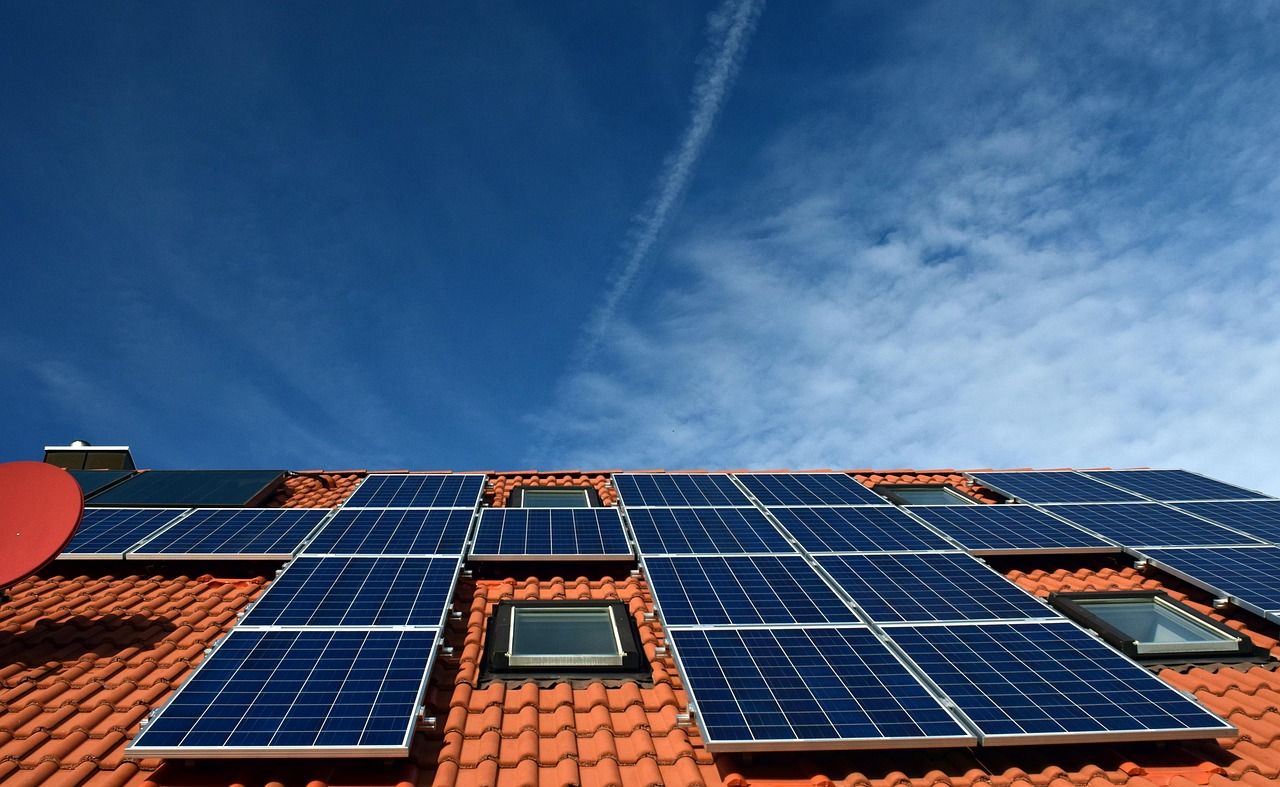
Solar panels shown for illustration; not a shipment involved in the US investigation. Illustrative image: Pixabay, Solar system, roof, power generation. Credit: ulleo / Pixabay, Pixabay Content License.
A US trade decision on 14 October has cleared a major procedural step towards new duties on certain solar cells and modules from India, Indonesia and Laos. The decision concerns injury to US industry from imports covered by the investigations.
For Australian readers, the first task is to distinguish the legal decision from predictions about global panel supply. The announcement establishes the next step in a US trade case. It does not set Australian tariffs or quantify a change in local rooftop prices.
What the commission decided
The US International Trade Commission announcement says the US industry is materially injured by imports of crystalline silicon photovoltaic cells from the three countries, whether imported separately or assembled into modules.
The US Department of Commerce had determined that the covered imports were sold below fair value and subsidised. Following the commission's affirmative injury findings, Commerce will issue anti-dumping and countervailing duty orders.
The release identifies the final investigations as 701-TA-772-774 and 731-TA-1756-1758, with the commission's reasoning to appear in USITC Publication 5804. It does not list the resulting duty rates or establish that collection under the new orders began on the announcement date.
Why two US agencies are involved
The commission's explanation of the process separates the two decisions. Commerce determines whether dumping or subsidisation occurred and calculates the relevant margins or subsidy amounts. USITC determines whether the imports materially injure, or threaten to injure, the domestic industry.
Affirmative final determinations by both agencies lead to Commerce issuing the appropriate orders. An anti-dumping measure addresses the dumping determination; a countervailing measure addresses subsidies.
That separation explains why a commission injury finding is not itself a schedule of tariff percentages. Readers looking for rates, product scope and effective requirements need the relevant Commerce documents as well as the USITC decision.
The product description matters
The case concerns specified crystalline silicon photovoltaic cells and modules from the named countries. It should not be generalised into a ban on every solar-related product made there. Nor does the country associated with a brand necessarily identify the origin of every component or shipment it sells.
For an importer or supplier, the useful documents are those that define the covered merchandise and the relevant producer or exporter treatment. A shortened news headline cannot establish whether a particular shipment falls within an order.
For households, this means the exact panel model and supply arrangement matter more than a broad statement that a brand is affected by overseas tariffs. Ask for a specific explanation if the issue is used to justify a change to your quote.
How a US decision could affect other markets
There are several possible commercial responses, and they can point in different directions. A supplier may seek other destinations for affected output. It may change sourcing or manufacturing arrangements. Buyers may accelerate, defer or renegotiate orders while the rules become clearer.
These are possible responses, not outcomes established by the 14 October announcement. Their effect on Australia would depend on actual shipments, local demand, inventory, contracts and exchange rates. The decision alone is insufficient evidence for a forecast that Australian panel prices must rise or fall.
It is also possible for different suppliers to be affected differently. A market-wide headline cannot show what stock an individual Australian installer holds or the price already agreed with its distributor.
What to check if your solar quote changes
If a seller cites the US ruling, ask it to identify the model affected, the source of the proposed price change and whether your supply date has changed. Request the revised offer in writing so it can be compared with the original.
A substitution should be evaluated as a product change as well as a price change. Compare the equipment specifications, design, warranty support and any changes to the installation. A claim that two panels are equivalent should be supported by the relevant documents.
The next developments to follow are the duty orders and the commission's detailed public report. After that, actual supplier announcements and trade data may show how the market responds. Until then, the confirmed news is the US injury determination and the stated next step in the case, not a measured change in Australian household costs.
Written by the SolarAnswers editors
We link the reporting, government, industry or manufacturer sources behind each story below, and distinguish reported claims from our own analysis. We do not sell equipment, and no installer or brand pays to be written about. How we are paid

Comments
If comments do not appear, reload this page or browse the community.