Free midday electricity is changing when households use power
AEMO has observed demand rising when some free-power periods begin. For households, the useful next step is comparing the whole tariff, including the hours that are not free.
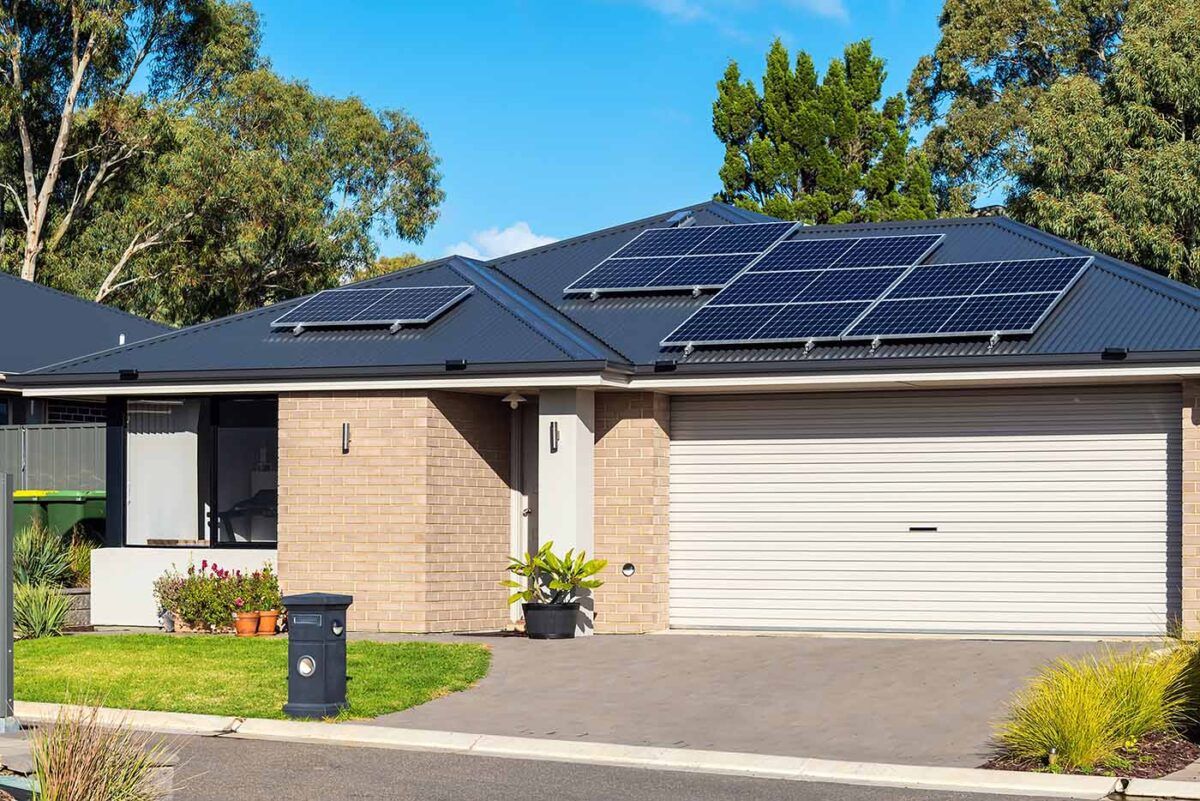
Image reproduced from: RenewEconomy, “Stunning example of market working:” Households embrace free power offer, causing major spike in demand. Credit: iStock, asset 1291540475, as published by RenewEconomy.
The effect of free midday electricity offers is beginning to appear in demand data. Households can move charging and other flexible uses into a cheaper period, and the resulting change is large enough for the electricity market operator to notice.
That is encouraging evidence of a response to prices. Whether it makes a particular household better off depends on what the customer pays during the rest of the day and how much electricity can realistically be shifted.
What AEMO observed at 11 am
In reporting published on 14 October, RenewEconomy described AEMO chief Daniel Westerman's observation of an approximately 360 MW increase in NEM demand at 11 am. He linked the pattern to households scheduling battery charging, EV charging and appliances around free-power periods.
The article also reported Grattan Institute analysis questioning how much of the change could be assigned specifically to batteries. Hot water and other timed loads could contribute. An aggregate demand curve shows when consumption changes; it does not, on its own, identify the equipment behind every extra megawatt.
That distinction avoids overstating the result. The pattern is consistent with households responding to a tariff signal, but the precise mix of devices remains uncertain.
Victoria's offer has now begun
The Victorian Government's Midday Power Saver information says the offer became available on 1 October 2026, with a no-cost electricity period from 11 am to 2 pm each day.
The government warns that rates outside the window and daily supply charges may be higher. It recommends comparing all available offers and discussing the effect on the household's current usage with the retailer. The page also identifies fair-use provisions, so customers should check the applicable limits and excess-use charges rather than assume unlimited free consumption.
A household unable to move much usage may find another plan cheaper. The offer is therefore an option to compare, not an automatic improvement for every Victorian account. Other states and commercial plans have their own terms; the Victorian timetable should not be applied to all offers nationally.
The comparison that matters
Start with your current consumption by time of day. Then separate it into three groups: use that already occurs in the proposed free window, use that could be moved, and use that must remain at other times.
An EV that is normally away from home during those hours belongs in a different category from a dishwasher with a suitable delayed-start function. A household should not count the same load as movable every day if its actual routine only permits a weekend change.
Compare the whole bill after making those assumptions. Include the supply charge, paid usage periods, export credits and any additional fees or conditions. A lower price for one part of consumption can be offset by higher prices elsewhere.
Solar owners need to distinguish generation from imports
The Australian Government's solar financial benefits guidance explains the difference between using solar within the home and exporting surplus generation. Electricity used directly avoids a grid purchase; exported energy earns a credit if the plan includes a feed-in tariff.
That distinction changes the free-power calculation. If a midday appliance already runs on your own solar, its existing grid-import cost may already be zero. Moving to a free-import offer does not automatically create a second saving on that same electricity.
A battery introduces another timing decision. Filling it from the grid can leave less room for later solar generation. Whether that is useful depends on the day's generation, later consumption, export arrangements and permitted charging settings. The comparison needs to follow energy through the whole day.
Practical changes before buying more equipment
Review the timers and scheduling options already available in your home. Confirm the plan's clock times and daylight-saving treatment with the retailer, and check whether each appliance can safely be scheduled in the way intended.
Avoid treating a three-hour window as a reason to switch every large load on together. The home's electrical capacity and the equipment's operating instructions still apply. An electrician can assess any proposed changes to fixed wiring or charging equipment.
After switching, compare bills and interval data over a meaningful period. Record any change in household routine so that an apparent saving is not mistakenly attributed entirely to the tariff. The demand jump is an interesting system-level result; your own data will show whether the offer works for your home.
Written by the SolarAnswers editors
We link the reporting, government, industry or manufacturer sources behind each story below, and distinguish reported claims from our own analysis. We do not sell equipment, and no installer or brand pays to be written about. How we are paid
Sources
- RenewEconomy, “Stunning example of market working:” Households embrace free power offer, causing major spike in demand (2026-10-14)
Checked 15 October 2026
- Victorian Government, Midday Power Saver offer and consumer guidance
Checked 15 October 2026
- Australian Government, How solar pays for itself and batteries reduce bills
Checked 15 October 2026



Comments
If comments do not appear, reload this page or browse the community.